The Best Roadside Stops in the North Aegean: 12 Stops from Çanakkale to Foça
Twelve stops worth getting out of the car for on the road from Çanakkale to Foça: what to eat and buy, opening hours, closing days and a plan that splits the route over two days.
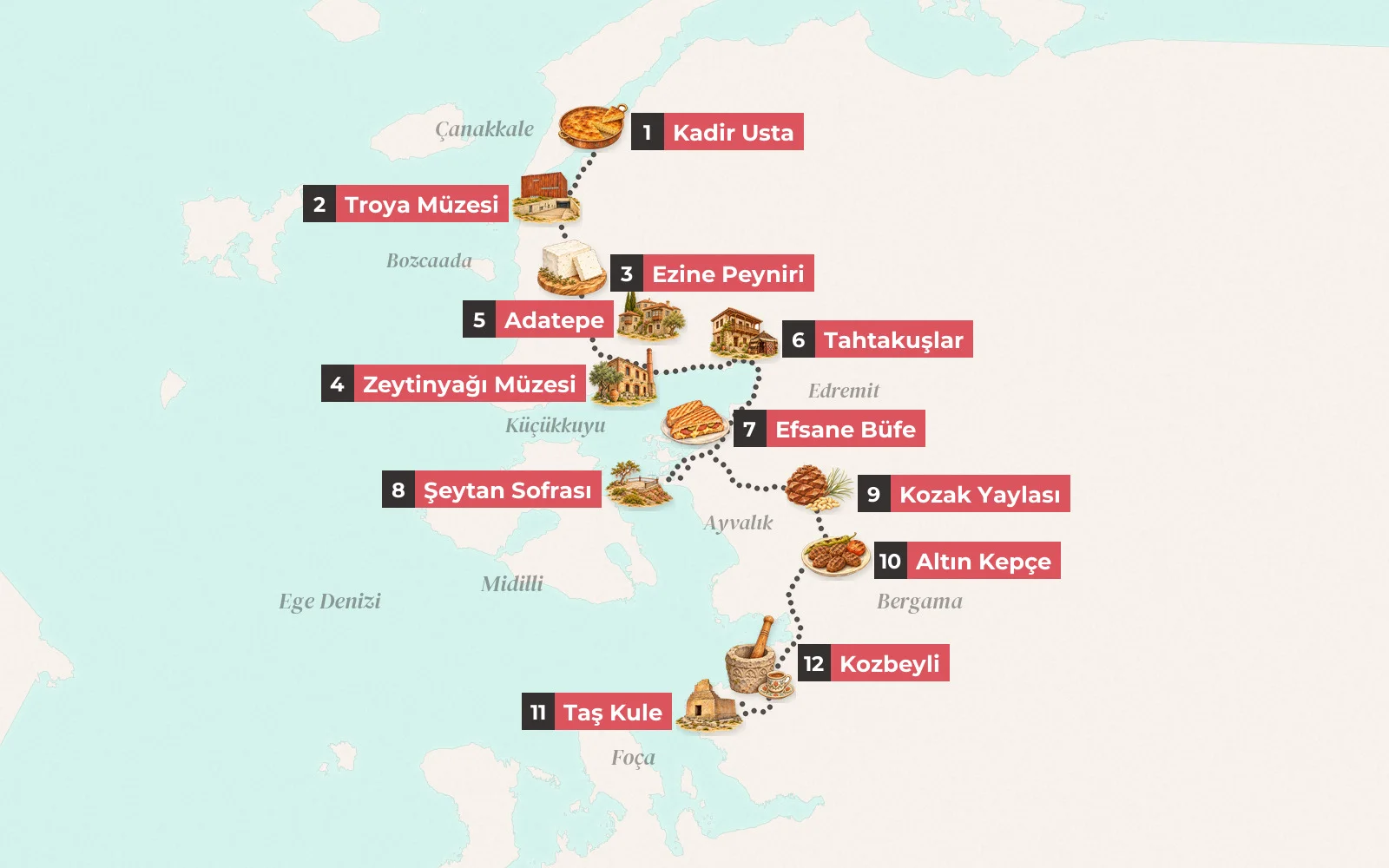
On the road from Çanakkale down to Foça, the question everyone asks is the same: where should we stop? The D550 follows the coast and the foothills of Mount Ida (Kazdağı), passing through one town after another, and each town has its own flavour, something worth buying or a view worth a few minutes.
For this list we chose 12 places that sit on the road or within a few kilometres of it, are open in November and are worth getting out of the car for: a halva maker, cheese shops, two museums, a stone village, an ethnography gallery, a toast stand, a viewpoint, a road through a stone pine forest, a meatball house, a Persian monument and a mortar-ground coffee house. The stops run from north to south, and for each one we note what to eat or buy, opening hours and closing days.
Split the route over two days
Driven without stopping on the D550, Çanakkale to Foça is about 300 km and 4.5 hours. The route that takes in the stops on this list is 376 km, roughly 6 hours 15 minutes of driving without traffic.
Days are short in November: in the North Aegean the sun sets around 18:00 in mid-month and at 17:50 by the end of the month, and museum ticket offices close between 16:30 and 17:00. Squeezing everything into one day means rushing every stop. The easy plan: on day one, drive from Çanakkale to Ayvalık, watch the sunset at Şeytan Sofrası and spend the night in Ayvalık; on day two, take the Kozak road to Bergama and continue to Foça. Tahtakuşlar is closed on Mondays and Altın Kepçe on Sundays, so Tuesday to Saturday works best.
Day one: Çanakkale to Ayvalık
Kadir Usta, Çanakkale
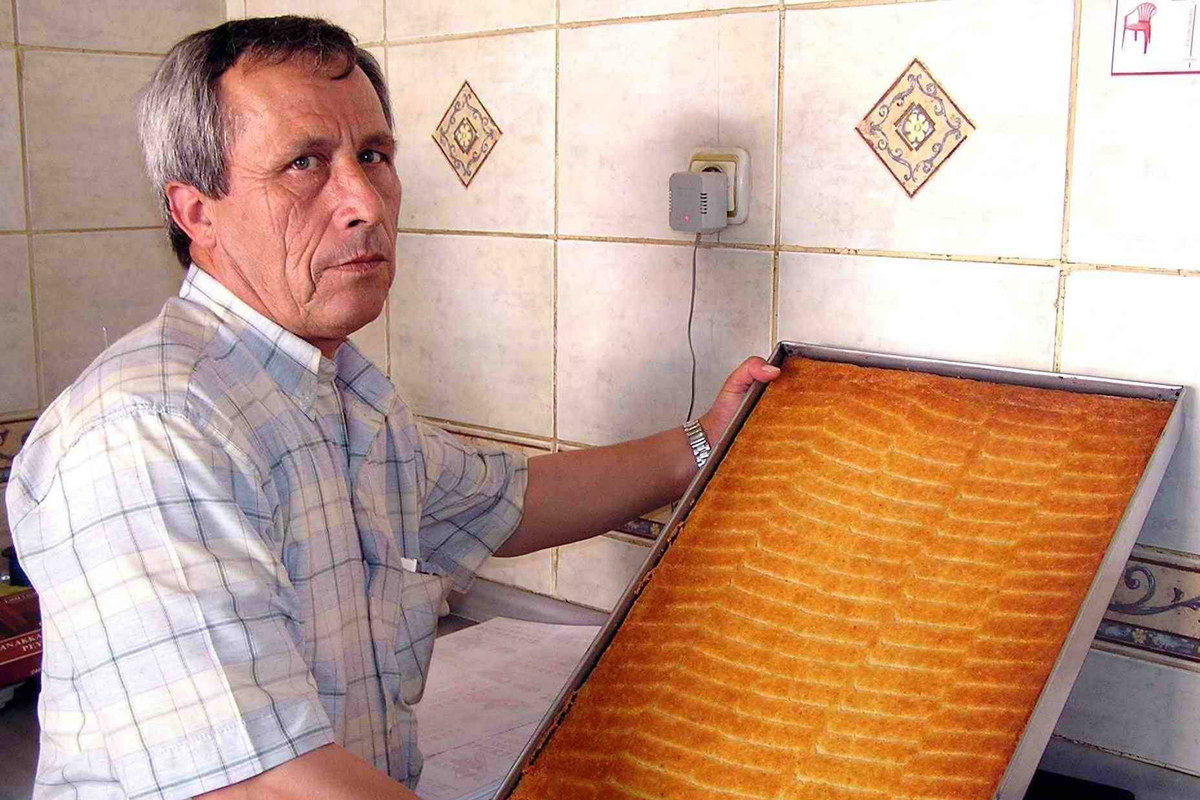
Before heading south from Çanakkale, stop in the old bazaar. Kadir Usta has been making cheese halva (peynir helvası) since 1979; you can eat the oven-browned halva warm in the shop or buy it by the kilo. Tahini halva and grape molasses are sold too.
After the bridge or the ferry, this is the last town stop before the road turns south. The shop is on Arap İbrahim Paşa Caddesi; it opens at 08:30 every day and closes at 18:30 Monday to Saturday and at 17:30 on Sundays.
Troy Museum, Tevfikiye
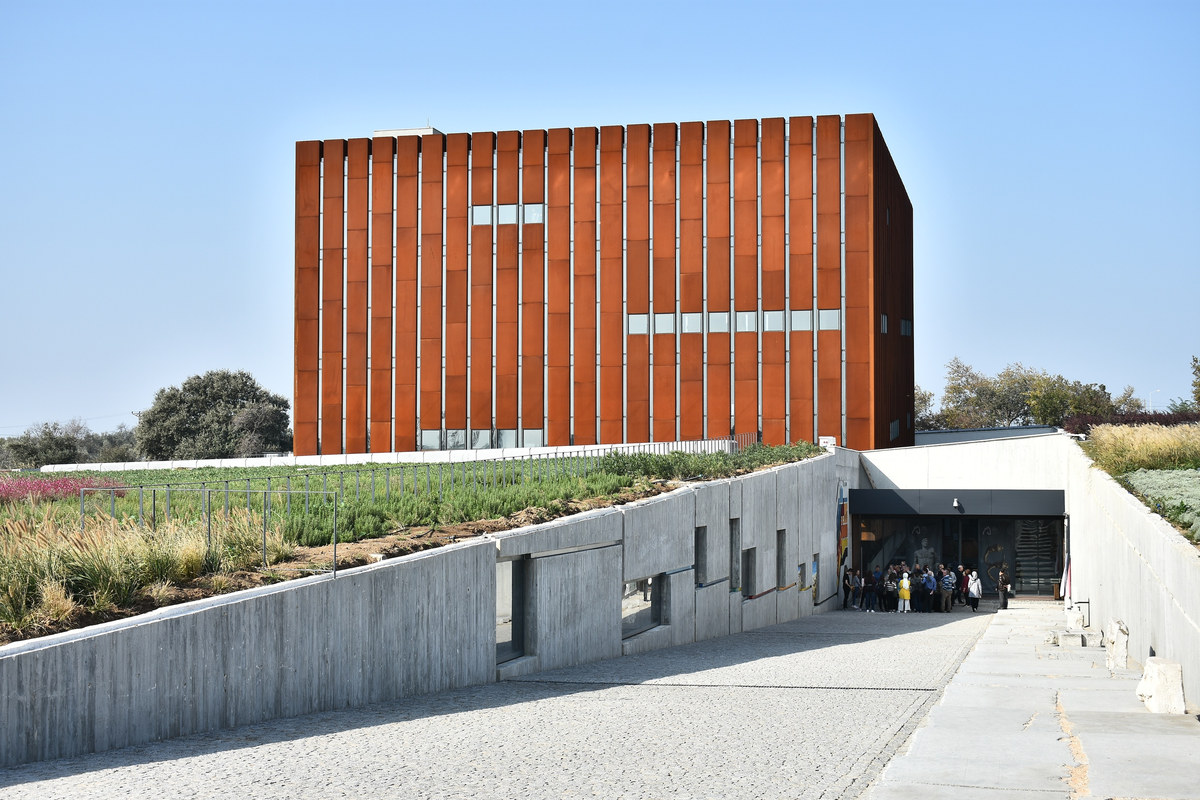
Photo: Troy Museum, CC BY-SA 2.0
Driving from Çanakkale towards Ezine, turn right at the Troy junction; the museum is 4 km ahead. Finds from the Troy excavations, including the Polyxena sarcophagus, are gathered in a single building. The archaeological site is 1.3 km from the museum.
In November the museum is open daily 08:30–17:30, with the ticket office closing at 17:00; the MüzeKart is valid. One hour is enough for the museum alone; allow three hours if you also want to see the ancient site.
Ezine cheese, Ezine
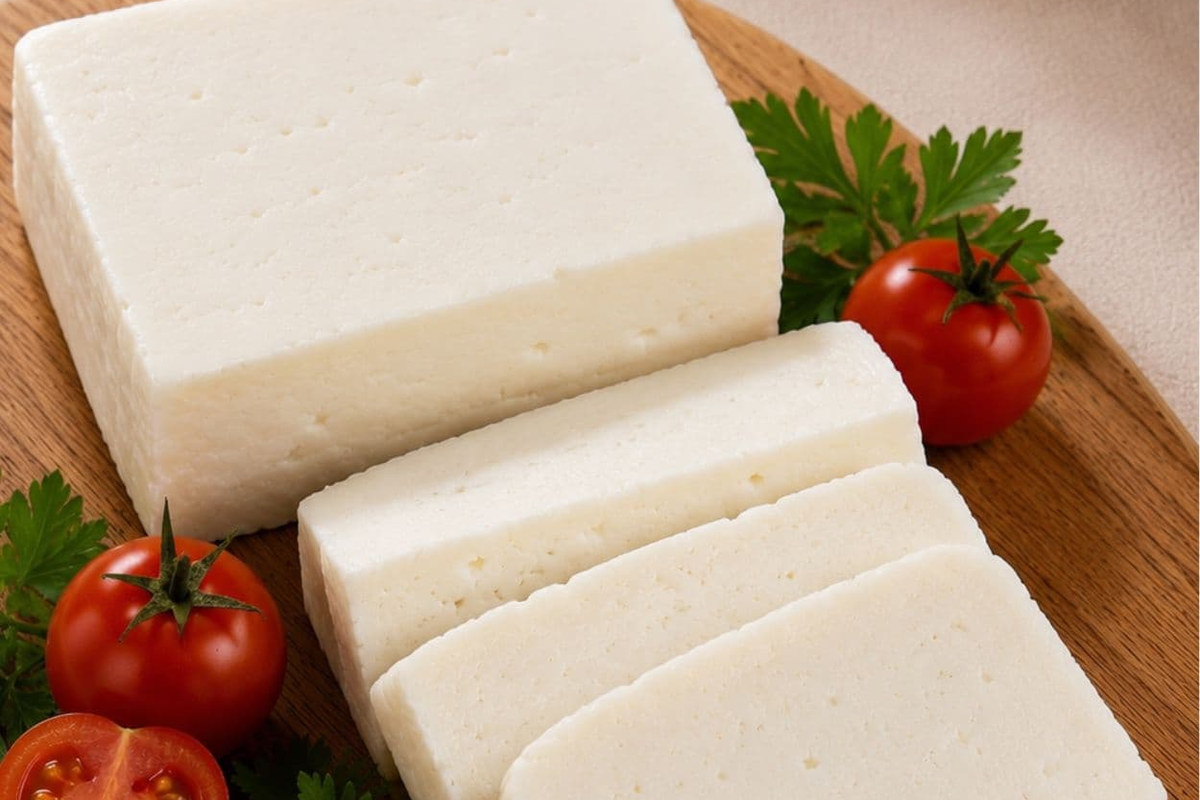
In Ezine the D550 becomes the town’s main boulevard, and the cheese shops line it; pulling over to shop takes only a few minutes. The large cheese shops on the boulevard are open daily 08:00–23:00.
Ezine cheese was registered as a designation of origin in 2007, and in 2023 it became the first Turkish cheese registered in the European Union. Under the registration it is made from goat’s, sheep’s and cow’s milk: at least 40 percent goat’s milk, 35–45 percent sheep’s milk and no more than 25 percent cow’s milk. It matures for at least 8 months.
Check the packaging when you buy: it should carry the designation of origin emblem and the maturation period written in months. Cheese made from cow’s milk alone is not registered Ezine cheese, even if the pack says Ezine.
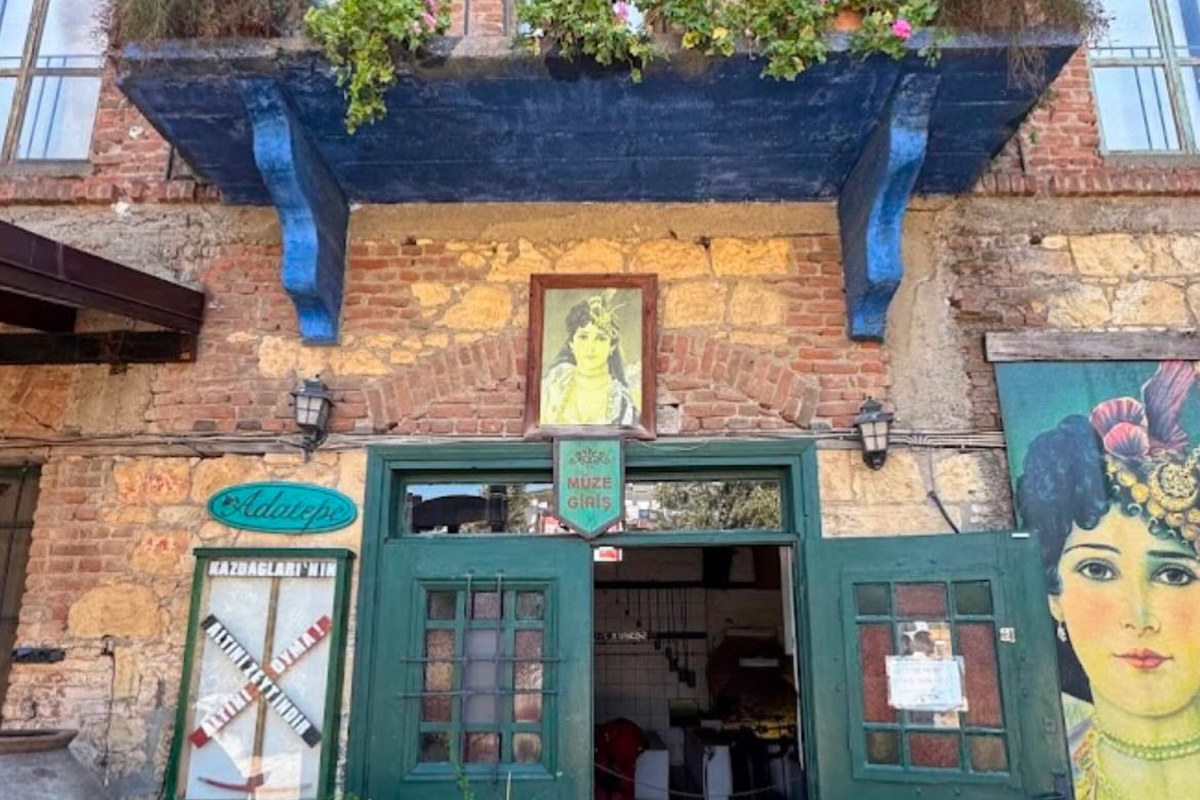
Adatepe Olive Oil Museum, Küçükkuyu
After Ayvacık you pass through the Assos and Troya tunnels and come down to Küçükkuyu. Opened in 2022, the tunnels cut this section to 5 minutes, so older directions describing stops on the former Kazdağı climb no longer apply to this road.
Right beside the road in Küçükkuyu, an old soap factory has been the Adatepe Olive Oil Museum since 2001; it opened as Turkey’s first olive oil museum. It is a small museum showing old olive presses and soap making, open daily 09:00–16:30, with free entry.
Its shop sells olive oil, olives and soap; in November, ask for the new harvest oil. Küçükkuyu lies within the geographical area of registered Edremit olive oil, but using the registration logo is up to the producer, so read the label. As the museum closes at 16:30, make it a morning stop.
Adatepe village
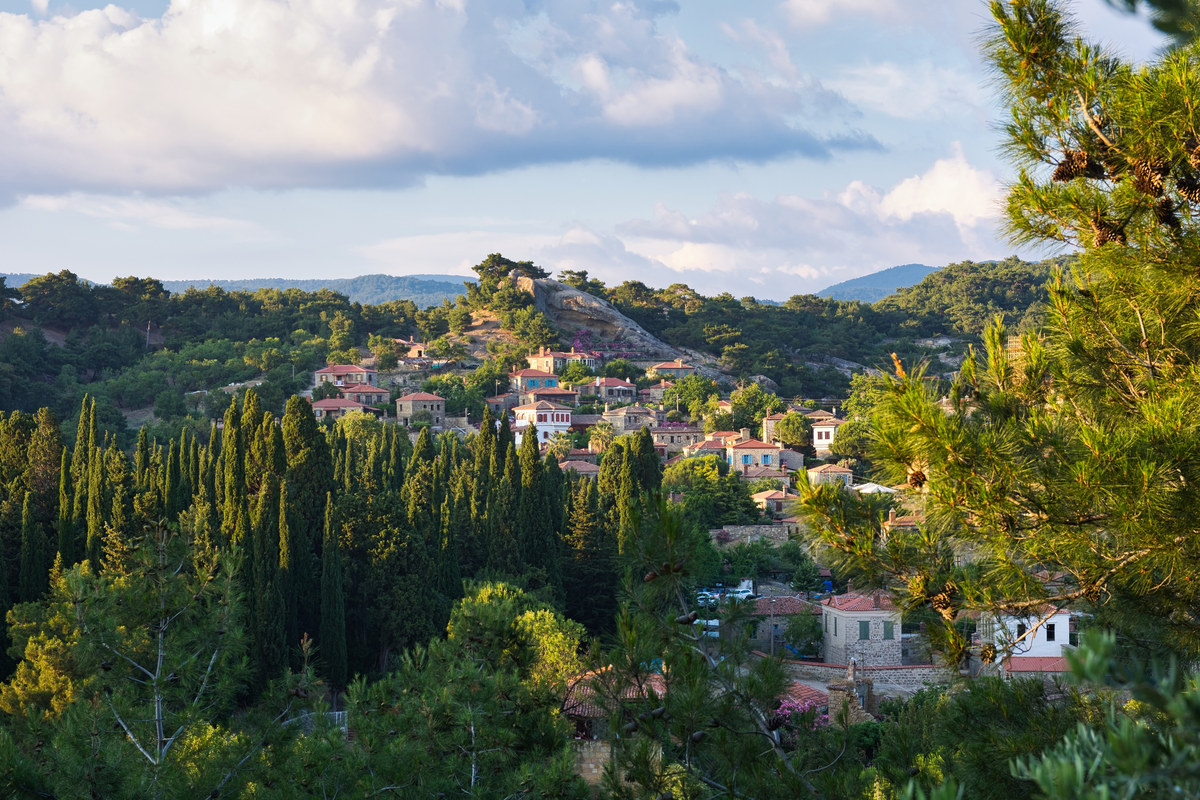
Photo: faktor1komma5 / Claus P. Heibel, CC BY 2.0
After the museum, climb 4 km up the slopes of Mount Ida. Adatepe is a stone village protected since 1989, with narrow lanes, houses with wooden bay windows and a hillside facing the gulf. In 2026 it was among Turkey’s candidates in the UN Tourism Best Tourism Villages programme.
Taş Cafe in the village opens at 08:00 every day; have a coffee and you can be back on the road in half an hour. If you have time, walk up to the Altar of Zeus above the village.
Tahtakuşlar Ethnography Gallery
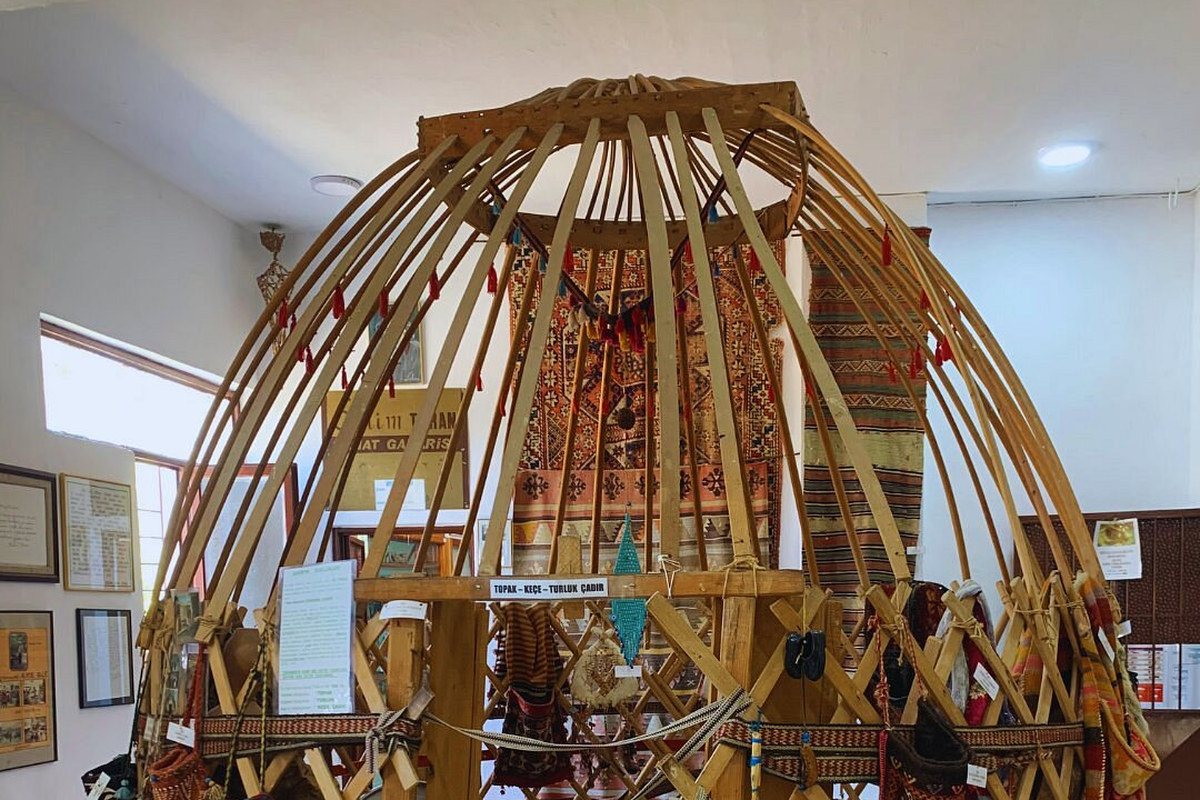
Past Altınoluk, turn north onto the village road; the gallery is 2 km off the D550 in the village of Tahtakuşlar, Edremit. Founded in 1991 by the village teacher Ali Bey Kudar, it is known as Turkey’s first private ethnography museum. It displays weavings, tools and a traditional tent of the Tahtacı Turkmens of Mount Ida.
The gallery is closed on Mondays and open 10:30–16:00 on other days. Adatepe in the morning and Tahtakuşlar towards noon is the order that fits these hours best. Have a tea in the shade of the old oak in the village before you move on.
Efsane Büfe, Ayvalık
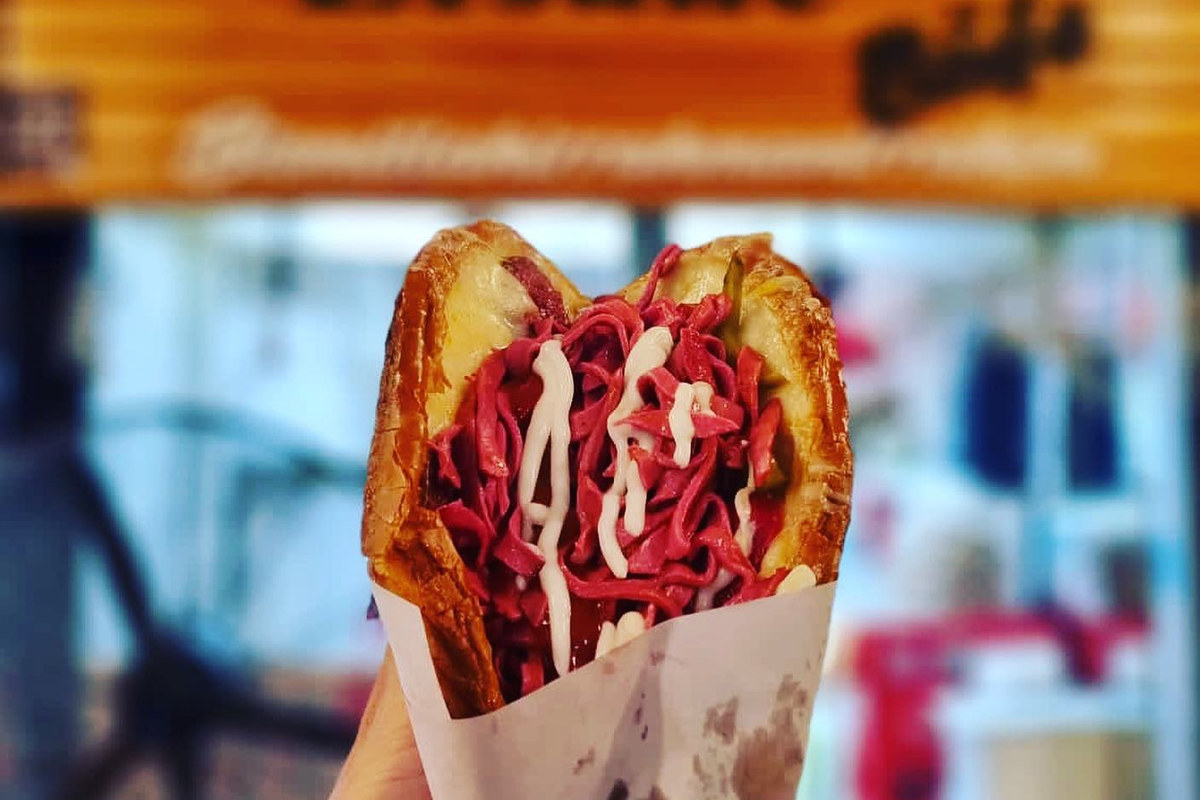
Enter Ayvalık from the Edremit road and continue along Atatürk Bulvarı; the toast stands are packed into a 200-metre stretch. Open since 1969, Efsane Büfe presses toasts every day from 08:00 until midnight.
The Ayvalık toast was registered as a traditional product name in 2023. The registered recipe puts butcher’s sucuk, tulum or kaşar cheese and tomato inside chickpea-leavened bread. The mixed toast with pickles and sauces is also made along the boulevard; if you want the registered recipe, ask for the “orijinal”.
There is one more registered treat before you leave Ayvalık: lor tatlısı, a curd cheese dessert. You will find it in the town’s pastry shops.
Şeytan Sofrası, Ayvalık
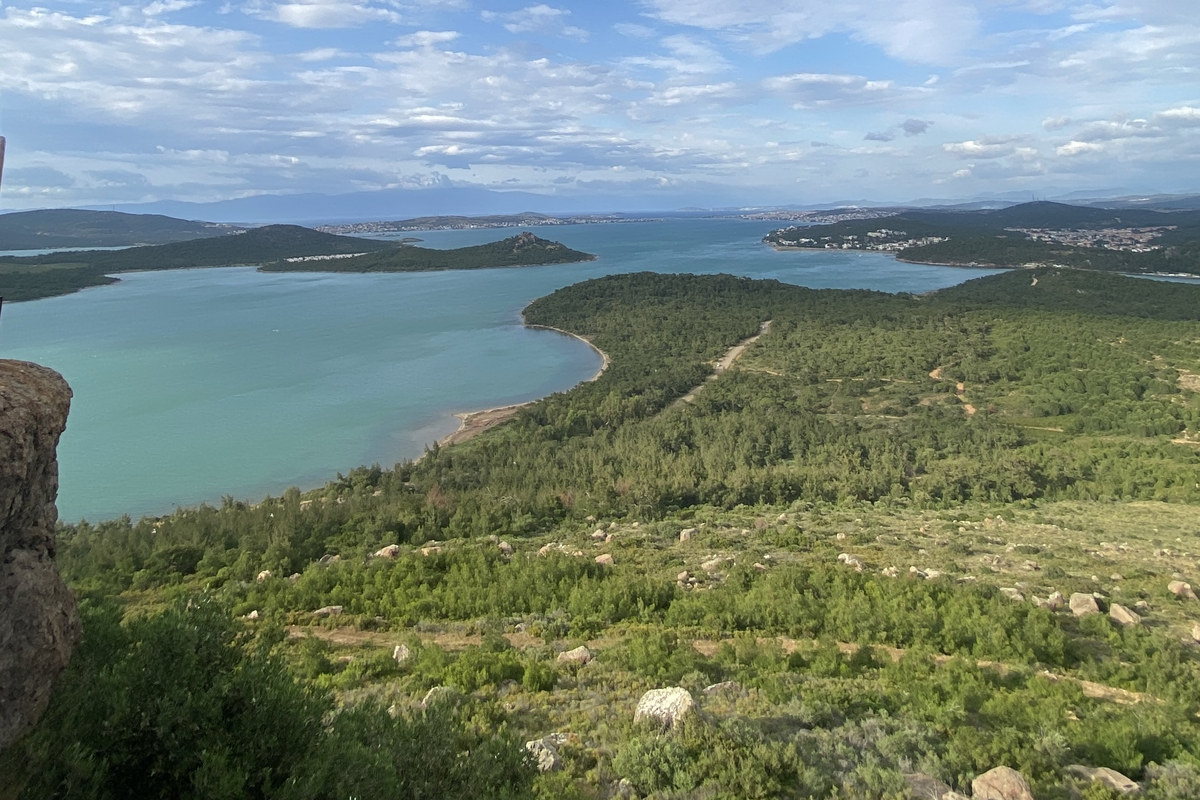
Photo: Fivitria, CC BY-SA 4.0
From Ayvalık, take the Sarımsaklı road and drive up to the top; the viewpoint is 8 km from the centre. From here the Ayvalık islands and the shores of Cunda appear in a single view.
In mid-November the sun sets around 18:00, and at 17:50 by the end of the month; be up there by 17:00. The viewpoint is open at all hours. End day one here and spend the night in Ayvalık.
Day two: Ayvalık to Foça
Kozak Plateau
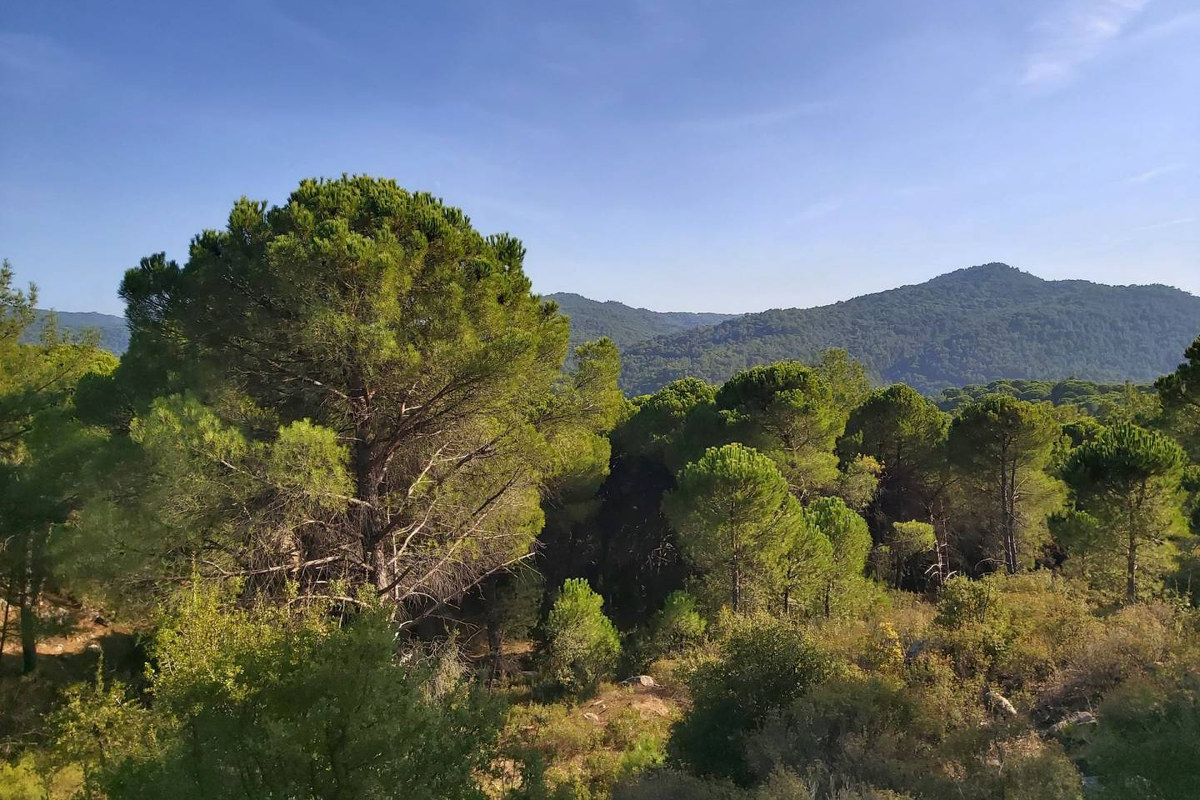
Driving from Ayvalık to Bergama, take the Kozak road instead of the D550. It adds about 6.5 km and 20 minutes, and in return it runs through a stone pine forest.
Bergama Kozak pine nuts have been a registered designation of origin since 2011. The harvest starts in November and lasts about four months; look for the registration emblem on the pack. Zirve Kafe in Yukarıbey opens at 09:00 every day.
Altın Kepçe, Bergama
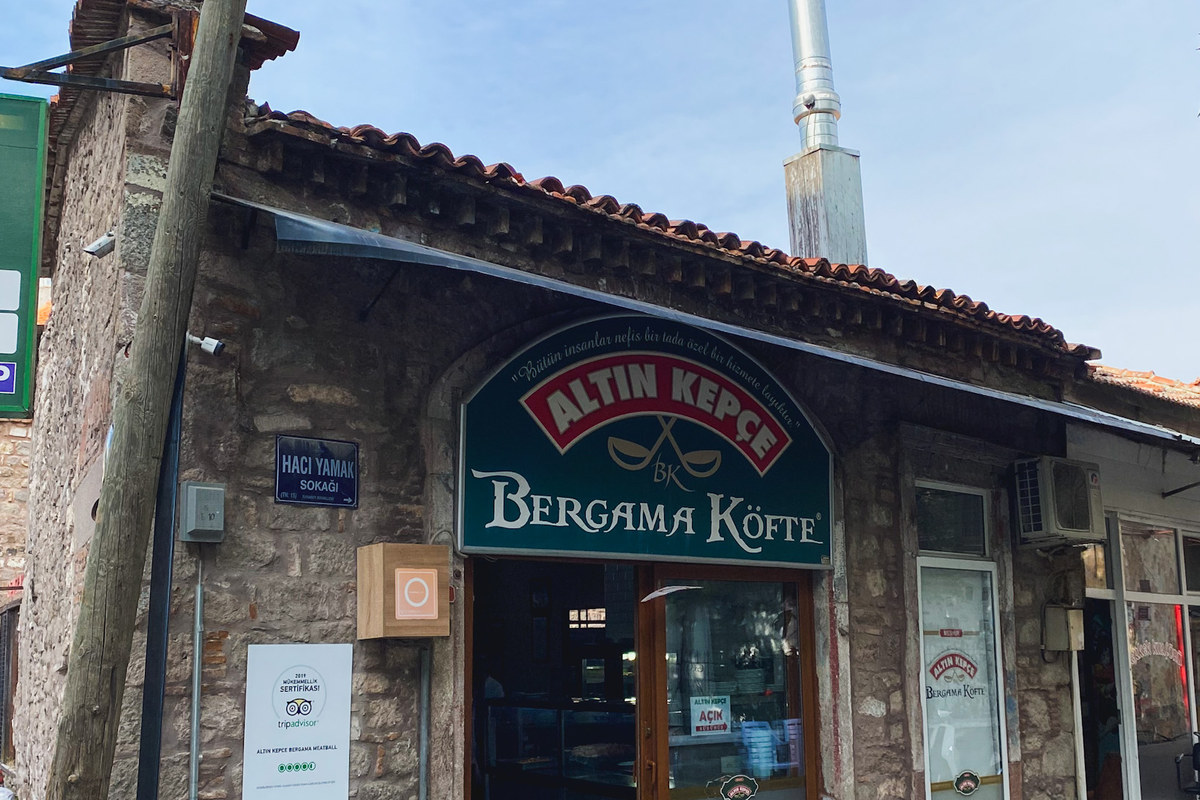
Turn into town at the Bergama junction; Altın Kepçe is 8 km off the D550, in the Turabey neighbourhood. Registered Bergama köfte is made with beef, flour, cumin and salt, cooked on a grooved grill over oak wood and served five to a portion.
Bergama has another registered dish to go with it: çığırtma, made with aubergine. Do not confuse it with çökertme, which comes from Bodrum and Milas.
The restaurant is open Monday to Saturday 07:00–18:30 and closed on Sundays. If you are on the road on a Sunday, Sarmaşık Lokantası, 300 metres away, is open every day 05:00–21:00 and serves çığırtma. On your way into town you can buy registered Bergama tulum cheese from the cheese shops on Atatürk Bulvarı.
Taş Kule, on the Foça road
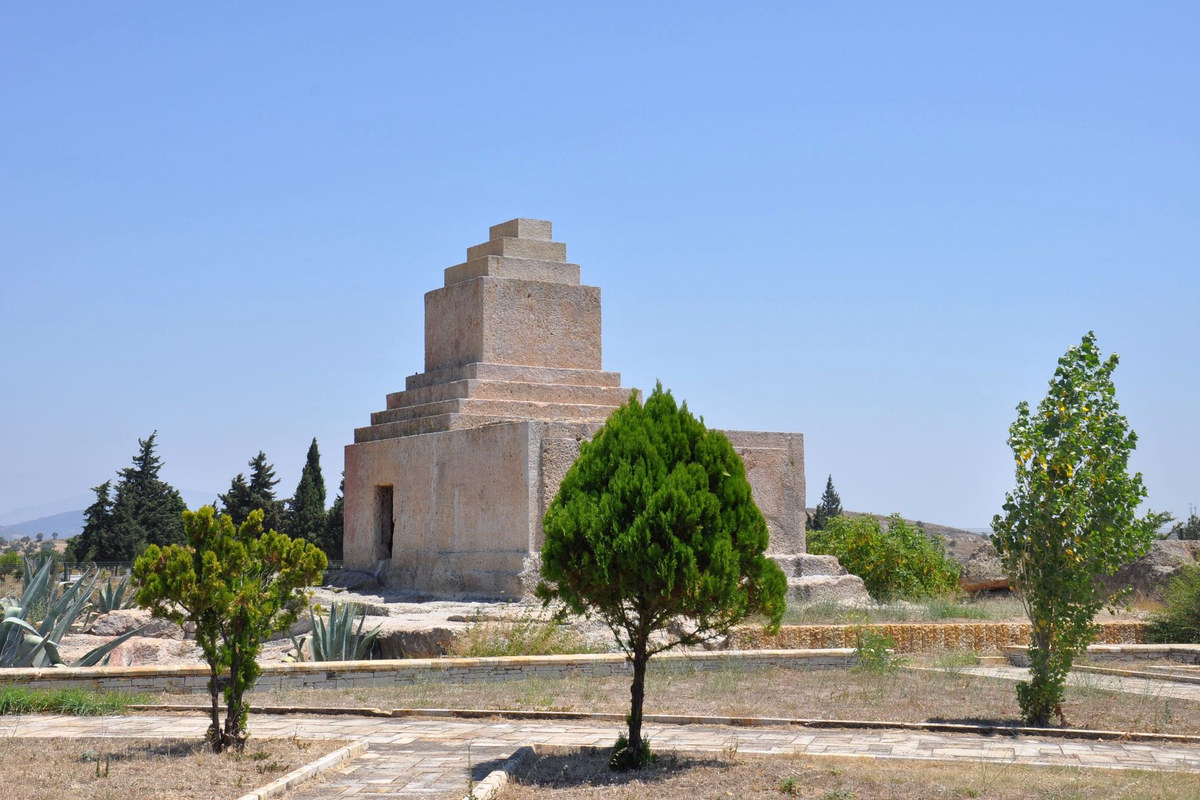
One hundred metres off the road to Foça stands a two-storey monumental tomb carved from tuff rock. It is known to date from the Persian period; its exact date is debated between the 6th and 4th centuries BC. The burial chamber is on the lower floor.
Leave the car at the roadside and walk around the monument; ten minutes is enough. It stands in the open, 8 km from Foça centre.
Kozbeyli
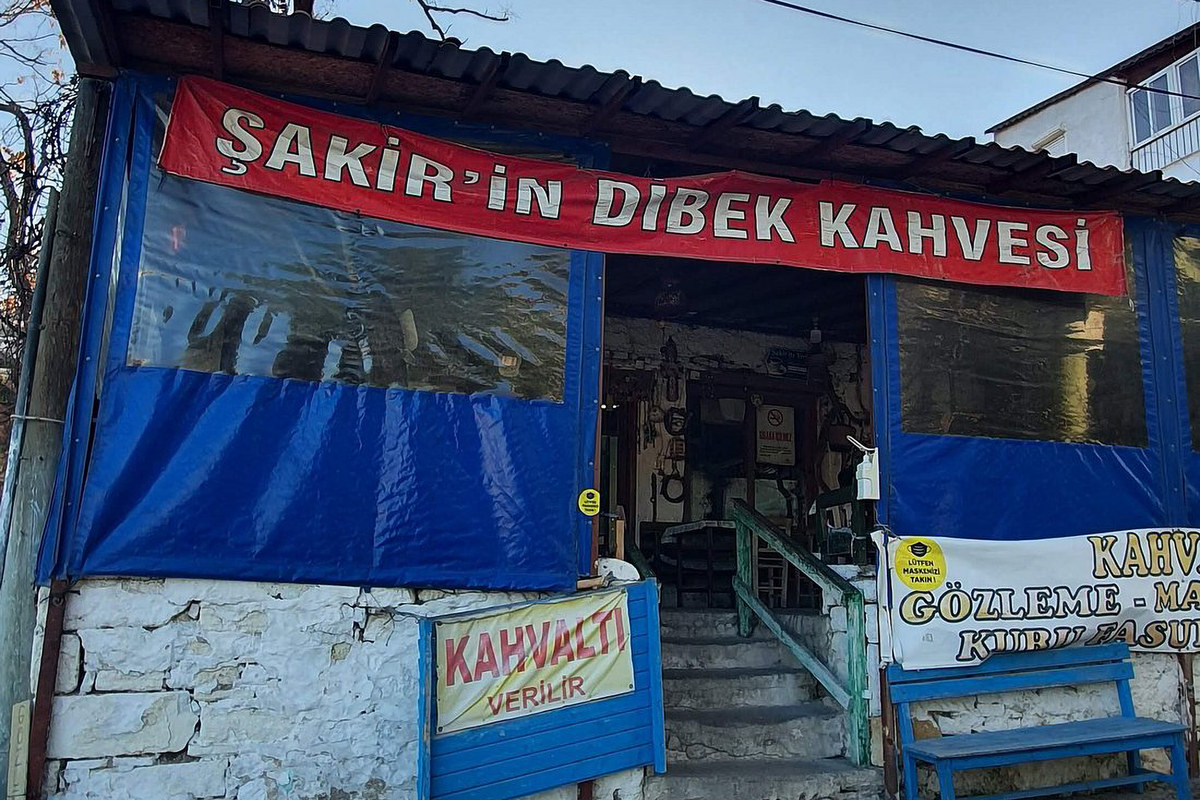
On your way from Foça back towards İzmir, stop in Kozbeyli, 20 km from Foça. On the square of this stone village, protected since 2003, Şakir’in Dibek Kahvesi grinds its coffee in a stone mortar.
The coffee house is open daily 08:00–23:00, and you can buy the coffee to take away. Take a half-hour walk around the village before getting back on the road.
Before you set off
Closing days: Tahtakuşlar is closed on Mondays and Altın Kepçe on Sundays. All other stops on the list are open every day.
Hours: the Adatepe Olive Oil Museum closes at 16:30 and the Troy Museum ticket office at 17:00. In November the sun sets around 18:00.
Market days: Ezine on Monday, Edremit on Wednesday, Ayvalık on Thursday, Ayvacık and Küçükkuyu on Friday. Ayvacık and Küçükkuyu are 20 minutes apart, so both Friday markets fit into one morning.
Road: the Ayvacık to Küçükkuyu section now runs through tunnels. Since 1 July 2026 the car toll on the 1915 Çanakkale Bridge is 1,170 TL.
Registered products: along the route you will find geographically registered products such as Ezine cheese, Edremit olive oil, Ayvalık lor tatlısı, Bergama köfte, Bergama tulum cheese and Kozak pine nuts. Check the registration emblem on the packaging when you buy.
Frequently asked questions
How long is the drive from Çanakkale to Foça?
About 300 km and 4.5 hours non-stop on the D550. The route that takes in the stops on this list is 376 km, roughly 6 hours 15 minutes of driving without traffic; with the stops, we recommend two days.
What is in an original Ayvalık toast?
The registered recipe uses chickpea-leavened bread, butcher’s sucuk, tulum or kaşar cheese and tomato. Salami, sausage, pickles, ketchup and mayonnaise belong to the mixed toast, not the registered recipe.
How can you tell registered Ezine cheese?
The packaging carries the designation of origin emblem and the maturation period written in months; it matures for at least 8 months. Cheese made from cow’s milk alone does not count as Ezine cheese.
Which day is best for the route?
Tuesday to Saturday. Tahtakuşlar is closed on Mondays and Altın Kepçe on Sundays. Set off on a Friday and you will also catch the Ayvacık and Küçükkuyu markets.
If there is a place you always stop at on this road that we should add, write to @kuzeyegeye on Instagram. Check opening hours once more before you set off.