The Hot Springs of the North Aegean: A Winter Route from Troy to Pergamon
Why is the ground warm along the North Aegean coast, and where does the hot water rise? A winter route from Troy and Kestanbol to Çan, Güre, Bademli and Bergama, with old town baths and what to know before you go.
In the North Aegean, winter mostly arrives with rain. In January, daytime temperatures in Edremit sit around 12 °C, with rain on eight days of the month. For a weekend like that, the region’s best answer lies underground: along the coast from Çanakkale to Bergama (Pergamon), hot springs are frequent, and the water in each area has its own character.
In this article we explain why hot water is so plentiful on this coast, then visit six stops one by one, from Troya (Troy) to Bergama: what the water is like, what you will find there and what to see nearby. At the end come the old town hammams and what you need to know before setting out in winter.
In this article
Why is this coast hot?
Troya: Homer’s two springs
Kestanbol and Alexandria Troas
Çan and Bardakçılar
Güre and Hasanboğuldu
Bademli: the sea hot spring
Bergama: the Asklepion and Allianoi
The town hammam
Before you set out in winter
Frequently asked questions
Why is this coast hot?
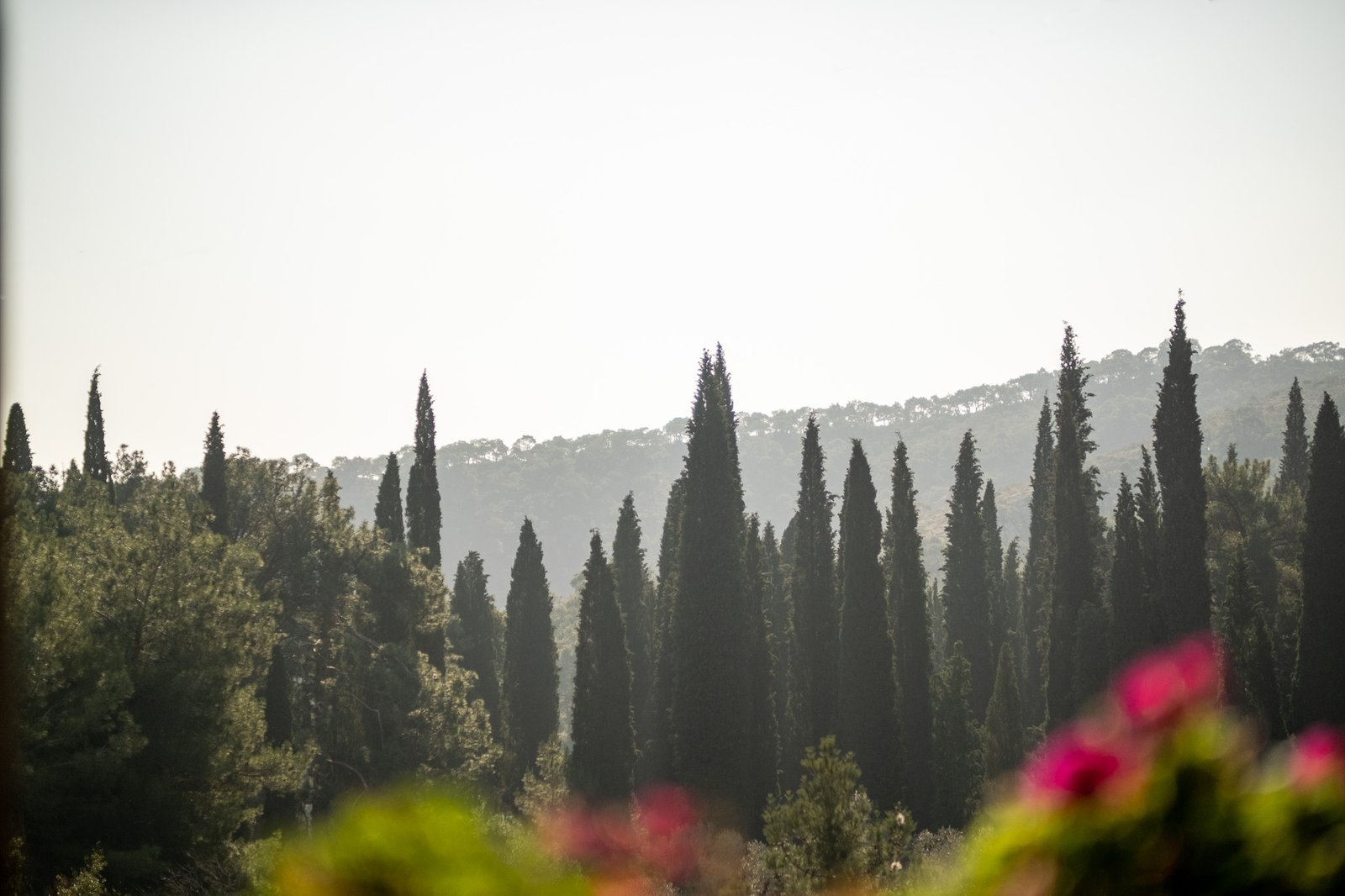
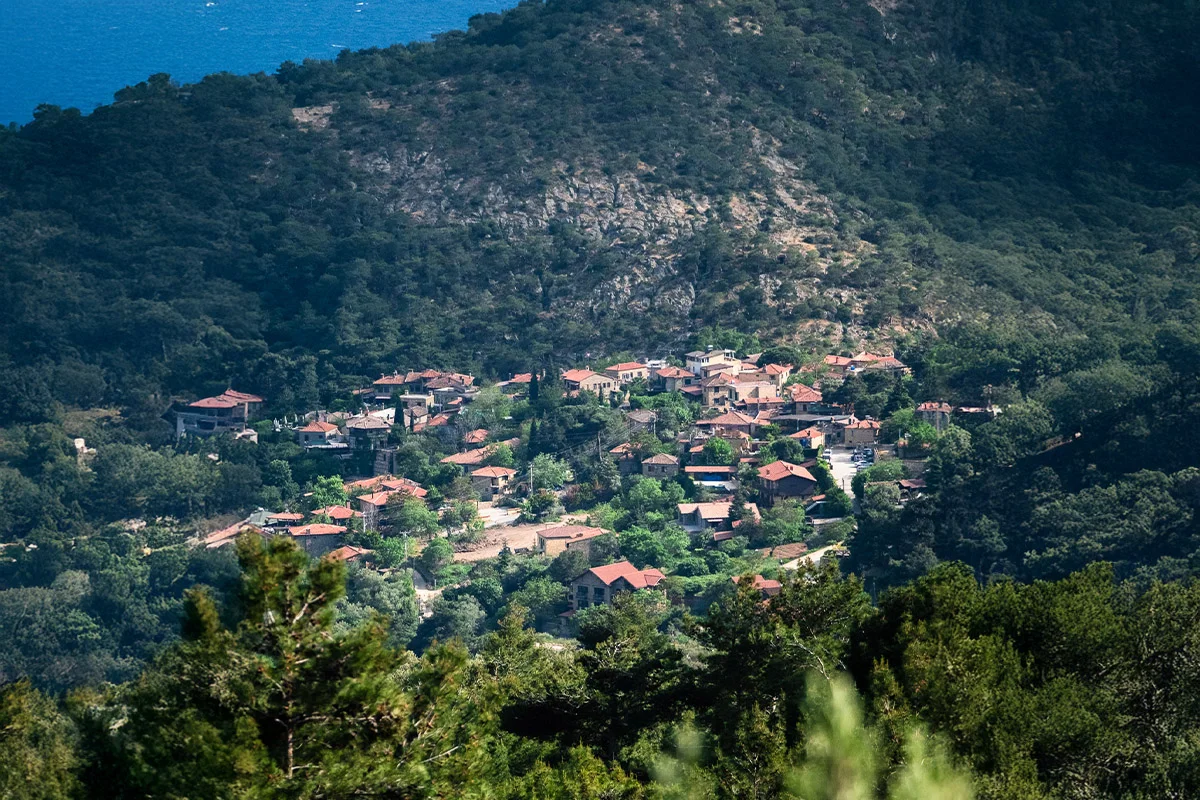
Kazdağları (Mount Ida), January. Photo: Craft Creative archive
The crust beneath the Aegean is slowly stretching and thinning. In this region the heat deep underground lies closer to the surface than in other places, and the faults that cut through the crust open paths for rainwater to travel deep down. Rain that falls on Kazdağları and the surrounding area seeps kilometres down through these cracks, warms up there and rises to the surface again along another fault. A model made for Edremit calculates that this circulation reaches a depth of 4.5 km.
The heat comes from the water’s long circulation deep underground. In some places we even know how long the journey takes: the water surfacing today in Çan and in Dikili-Kaynarca is rain that fell half a century ago.
The water’s character also changes with the rock it passes through. In the North Aegean, hot water emerges in roughly three separate areas, each with its own character:
The Troas coast (Ezine, Kestanbol): salty water, with traces of old seawater in it.
Around Kazdağları (Çan, Güre, Edremit): water containing sodium and sulphate.
The Bakırçay valley and Dikili (Bademli, Nebiler, Kaynarca): some of the hot water rises from the seabed and mixes with the sea.
Troya: Homer’s two springs
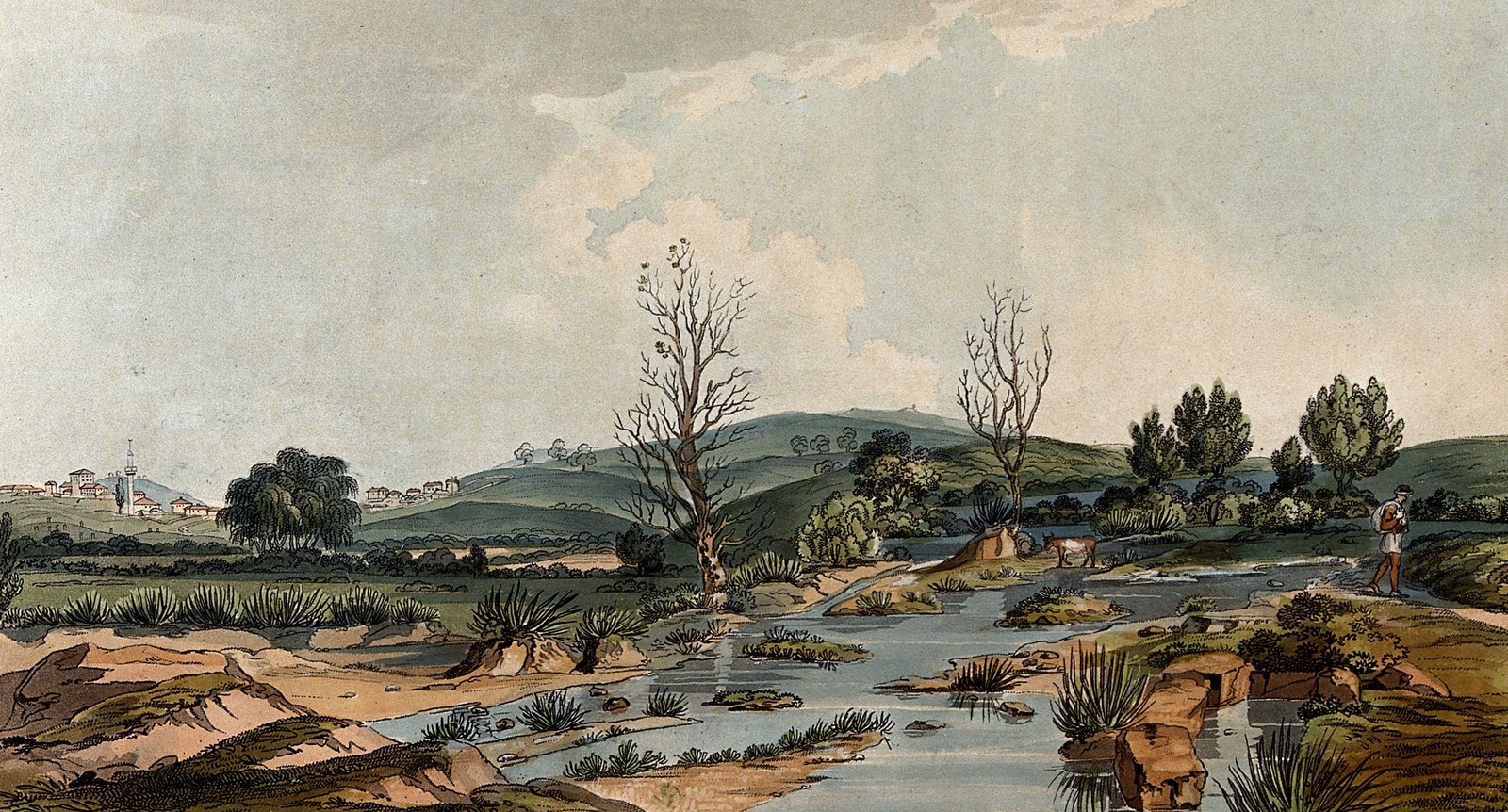
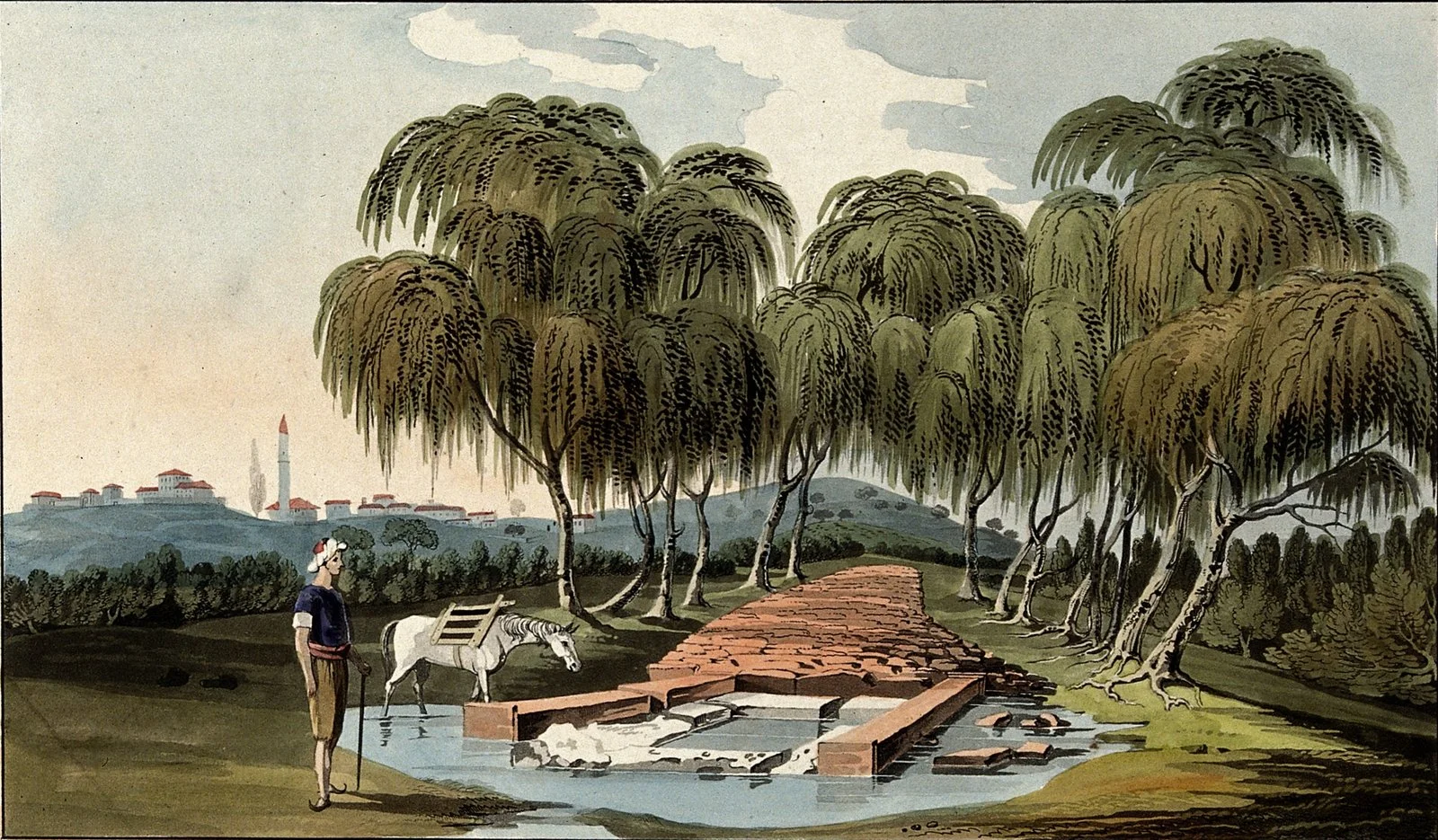
The cold spring of the Skamandros. Engraving by T. Medland after a drawing by W. Gell, 1804. Wellcome Collection, CC BY 4.0
The written story of hot water in the North Aegean begins with Homer. In Book 22 of the Iliad, Achilles chases Hector past two springs at the foot of the walls of Troya. According to Homer, of these two sources of the river Skamandros (Scamander), one flows warm, and smoke rises above it as if from a burning fire; the other is cold as hail or snow, even in summer.
Travellers have searched for these springs for centuries. In 1804 the English traveller William Gell drew the springs near Pınarbaşı; the engraving above is one of them. In the early 2000s, researchers measured the springs around Troya: in winter the spring water stays at 16–21 °C while the air drops to 2–8 °C. The “smoke” Homer mentions may be steam rising from relatively warm water on a cold morning. This is an interpretation offered by the researchers; still, it is a good reason to visit Troya on a winter morning.
Kestanbol and Alexandria Troas
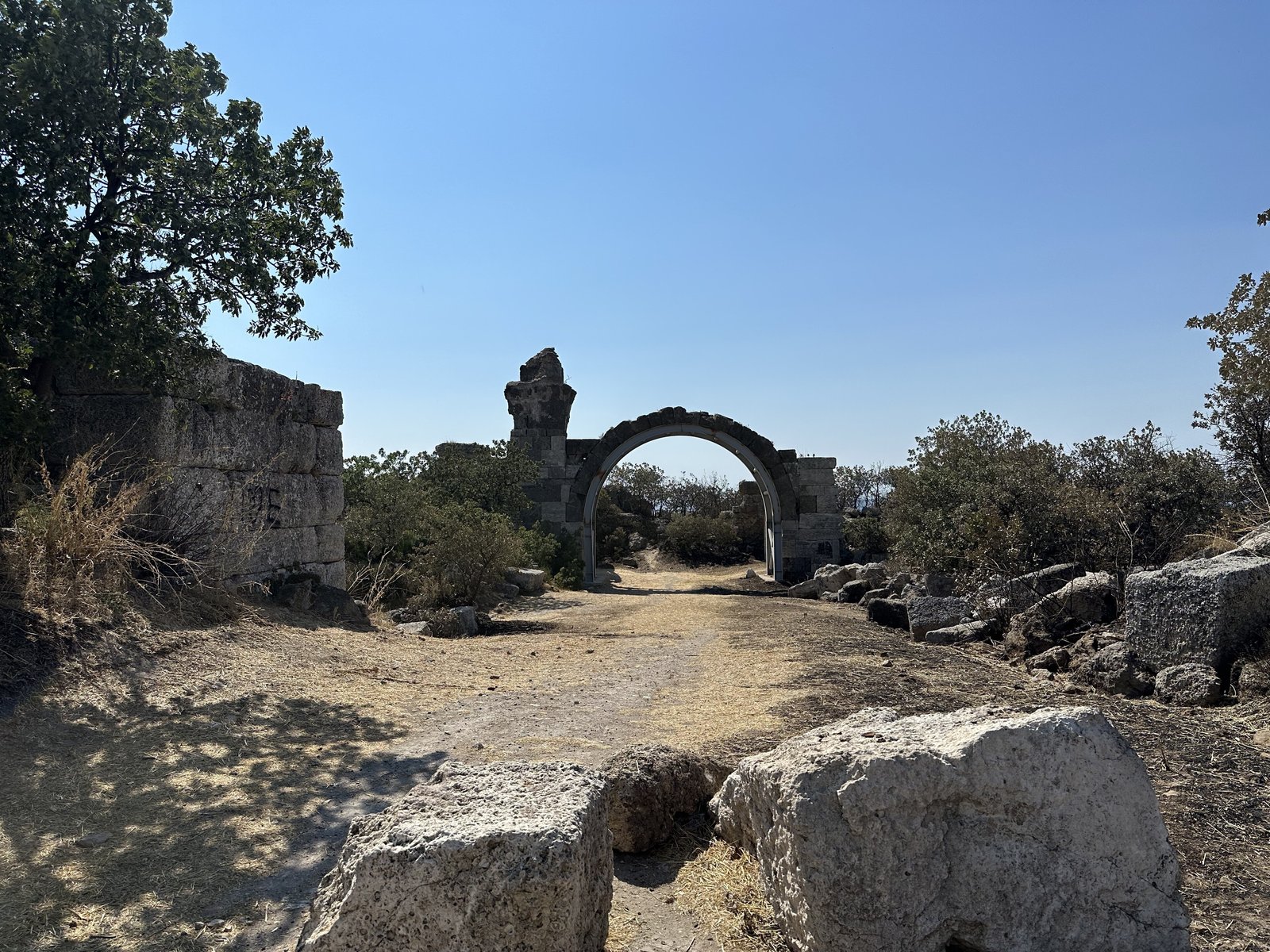
Alexandria Troas, the arch of the Roman baths. Photo: Raicem, CC BY 4.0
Kestanbol, in the district of Ezine, is a thermal spring that has long been known in the region. Its water is salty and comes out of the ground at 59–74 °C; it is cooled for use in indoor thermal pools. The salt comes from old seawater that mixes with the water underground.
The ancient city of Alexandria Troas lies 6 km beyond Kestanbol. The city’s great Roman baths took their water from an aqueduct coming down from Mount Çığrı. The ancient writer Philostratus relates that Herodes Atticus appealed to the emperor Hadrian about the city’s poor baths and muddy well water, and that a large budget was set aside for the waterworks. Walking among the ruins today, you can still see the arches of the baths standing.
Practical information: The Alexandria Troas archaeological site is open 08:30–17:30 in the winter season, and entry is free. The two fit easily into one day: the ancient city in the morning, hot water in the afternoon.
Çan and Bardakçılar
In Çan, on the northern foothills of Kazdağları, the water contains sodium and sulphate; the average temperature across the geothermal field is around 44 °C. What sets this water apart is its age: it circulates underground for more than 45–50 years before it reaches the surface. In other words, the water you step into today is rain that fell on the mountain half a century ago.
The district has thermal facilities with indoor pools; the water in the pools is used at 36–45 °C, and there are women’s, men’s and mixed pools. Bardakçılar, a village near Çan, is a separate hot water spot at the foot of the mountain. Heading from this side into the northern villages of Kazdağları makes for a winter weekend away from the crowds of Güre.
Güre and Hasanboğuldu
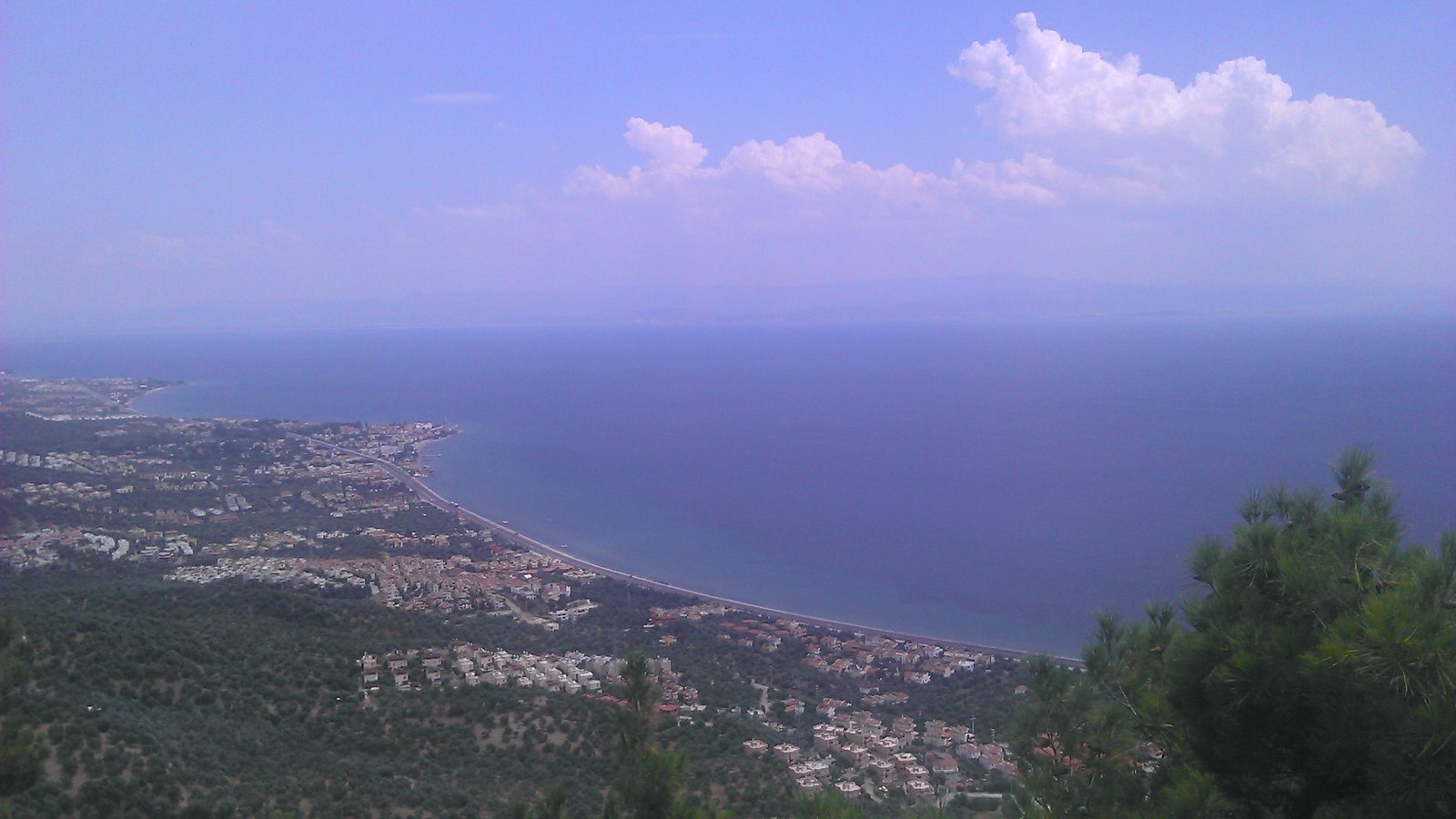
The Gulf of Edremit from the Altar of Zeus. Photo: İmmortalance, CC0
Güre, on the northern shore of the Gulf of Edremit, is the region’s thermal centre. The hot water used today comes from drilled wells: 56–67 °C has been measured at the wellheads, and 86 °C in a well 1,350 m deep. In the hotels’ indoor pools the water is cooled to 36–42 °C. In winter the outdoor pools close while the indoor pools stay open. Edremit Municipality’s day-use thermal facility is also in Güre.
Güre’s most interesting contrast lies a few kilometres uphill: at Hasanboğuldu, 7 km away on the same mountain, the spring water is only 15 °C. On one side, 86 °C water from deep underground; on the other, ice-cold water coming down the mountain. A morning walk on the forest trail at Hasanboğuldu followed by an afternoon in the hot water is the gulf’s best-known winter plan.
The gulf has a second hot water field as well: at Derman, north of Edremit, the water is 50–60 °C. The hot belt runs along the fault on the northern edge of the gulf.
Bademli: the sea hot spring
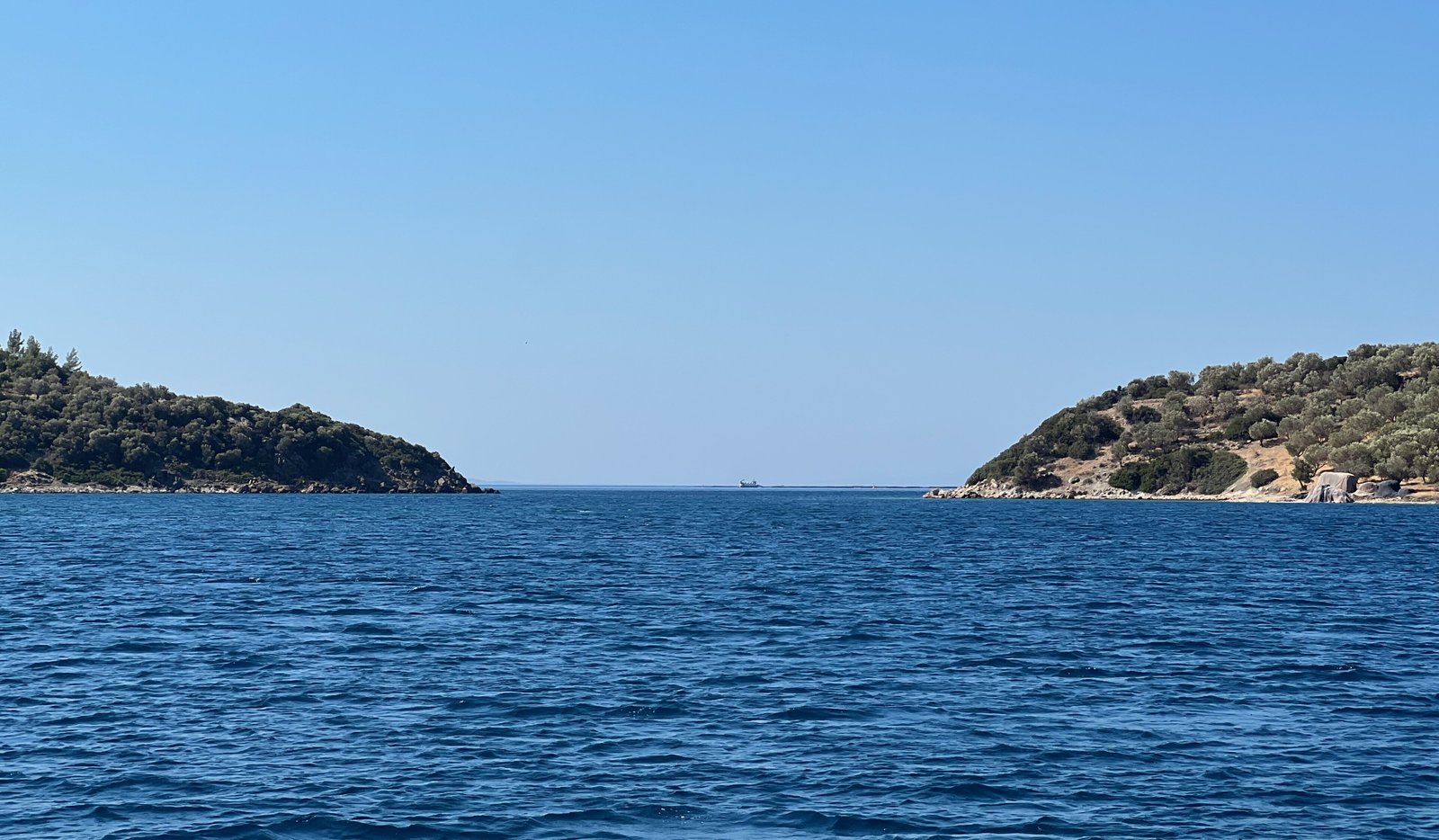
Between Kalem Island and the Bademli shore. Photo: Tomhannen, CC0
Bademli, south of Dikili, is a natural stretch of shore known locally as the “deniz ılıcası”, the sea hot spring. Here hot water rises both on land and from the seabed and mixes with seawater along the shore; about 18% of the water is seawater. Measured temperatures fall within 37–59 °C, depending on the spot and the year. Promotional material from the Provincial Directorate of Culture and Tourism says you can go in during winter too.
Around Dikili, hot water surfaces at other points as well; Nebiler and Kaynarca are the best known. Kaynarca’s water comes from rain that falls on the Kozak plateau, and it circulates underground for at least 50 years.
Caution: Arsenic has been measured in Bademli’s water; it is not drinkable.
Bergama: the Asklepion and Allianoi
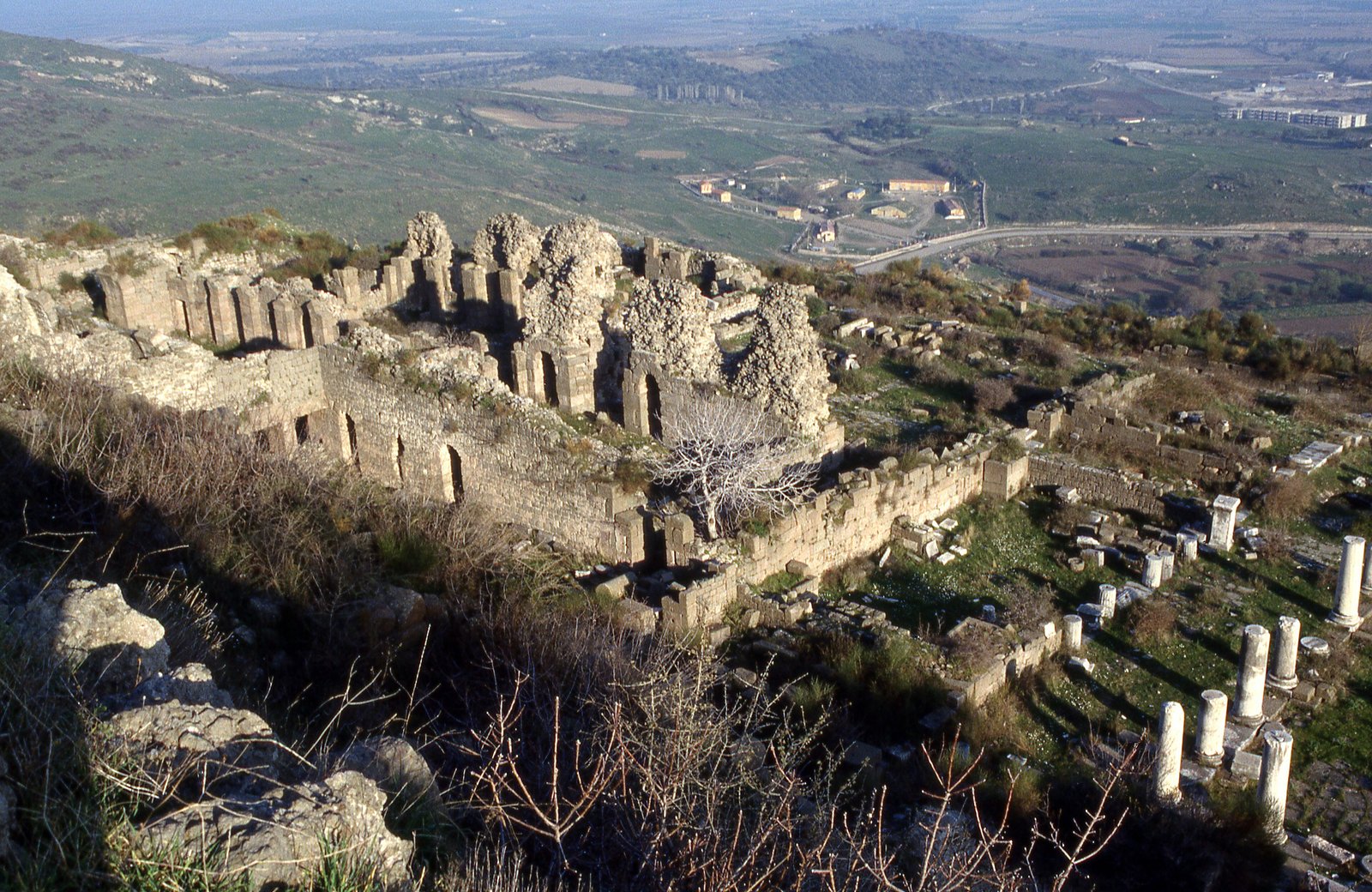
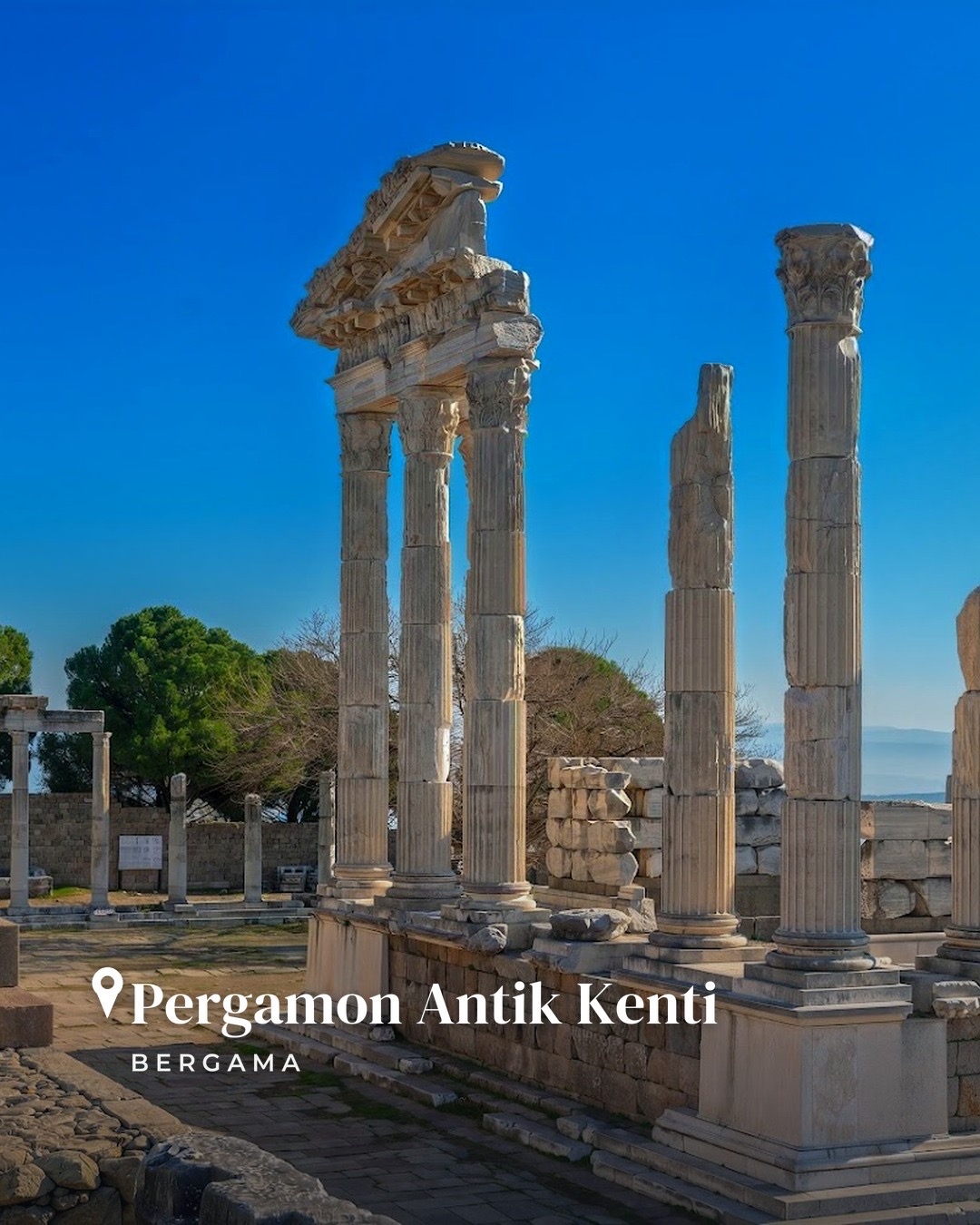
Pergamon, the east baths of the gymnasium. Photo: Mark Landon, 1991, CC BY 4.0
Bergama holds the oldest traces of hot water use in the region. The sacred spring and pools of the Asklepion, where patients came for treatment in antiquity, can be visited today; Galen worked here, and the orator Aelius Aristides wrote about the treatments he received here. There is a curious detail in Aristides’ accounts: at times he was told to stay away from bathing, at other times to wash in a cold river. The Asklepion is open 08:30–17:00 in the winter season.
In the gymnasium on the slope of the acropolis, the remains of Roman baths still stand. The region’s main thermal spa in Roman times, however, was Allianoi: a healing settlement 18 km northeast of Bergama, built over 45 °C water, with thermal buildings covering about 9,700 m². Hundreds of medical instruments were found during the excavations. The gates of the Yortanlı Dam were closed on 31 December 2010; Allianoi now lies beneath the reservoir.
The town hammam
In the old towns of the North Aegean, the hammam was part of the bazaar, and most were built by charitable foundations to provide income for a mosque or an imaret (a public soup kitchen). In 1892 Gelibolu (Gallipoli) had seven hammams. Today most of these buildings serve other purposes; some of them can be visited:
Çanakkale, 1904: Built for soldiers, this hammam was in use until 1996 and has been the Ceramics Museum since 2013.
Bayramiç, 1742: The market hammam, whose inscription is dated 1742, worked as a hammam until 1980 and now stands empty.
Bergama, 1427: The Küplü Hamam (“hammam with the jar”) is mentioned in a foundation record dated 1427. The marble jar that gave it its name stood in the hammam’s changing room until 1837; today it is in the Louvre.
Ayvalık, 1907: The official yearbook for that year counts 78 coffeehouses and 1 hammam in the town.
The hammam’s place in town life goes beyond the ruins: it is a reminder that bathing in hot water was an everyday habit on this coast for centuries.
Before you set out in winter
Check opening hours. In winter, opening hours at facilities and archaeological sites can change; check before you go.
The spring water is not drinkable. Arsenic has been measured in the water at Kestanbol and Bademli.
Keep your time in hot water short. In water above 40 °C, the recommended time is around 10 minutes; take breaks and drink water.
Plan around the rain. Winter on the coast is mostly rainy; in January there is rain on eight days of the month. If you are heading to the higher parts of Kazdağları, check the road conditions.
No need to think about ferries. Every stop on this route is on the mainland, so island crossings cancelled by the lodos, the southwesterly wind, will not affect your plans.
Frequently asked questions
Can you bathe in hot springs in the North Aegean in winter?
Yes. Thermal facilities with indoor pools in Güre and Çan are in use in winter too; in Güre, the outdoor pools close for the winter. For the sea hot spring at Bademli, official promotional material says you can go in during winter as well. Check opening hours before you go.
Can you drink the thermal spring water?
No. Arsenic has been measured in the water at Kestanbol and Bademli; do not drink the spring water.
Can you visit Kestanbol and Alexandria Troas on the same day?
Yes, they are 6 km apart. Alexandria Troas is open 08:30–17:30 in winter and entry is free; you can give the morning to the ancient city and the afternoon to the hot water.
Are there historic hammams still operating in the North Aegean?
In the sources we researched, we could not find a historic building documented as working as a hammam today; most have taken on other uses. The old soldiers’ hammam in Çanakkale can be visited today as the Ceramics Museum.
What is the best month for hot springs?
Between November and March. The weather on the coast is mild and wet; as the sea cools, hot water makes the most sense in these months.
Is there a spring you would add to the list?
If you know a hot spring on this coast, an old hammam where people still bathe, or a village that stays quiet in winter, write to us. Save this article for the first rainy weekend.
Cover image: “Warm source of the Scamander”, coloured etching by T. Medland after W. Gell, 1804. Wellcome Collection, CC BY 4.0.