The Wind Dictionary of the North Aegean: Poyraz, Lodos, İmbat and Keşişleme
Poyraz, lodos, imbat, keşişleme, karayel and yıldız: what each wind brings to the North Aegean, which shores it leaves calm, how islanders read the weather and what to check before a winter ferry.
In the North Aegean, the forecast says “north-easterly wind”, but on the shore people say “poyraz is blowing”. Here the wind is usually called by its name rather than by degrees, and the name tells you where it comes from.
In this piece we gathered the winds of the North Aegean one by one: which direction each comes from, which shores it stirs up and which it leaves calm, and where its name comes from. At the end you will find how islanders read the weather and what to know before taking a ferry in winter.
Eight directions, eight winds
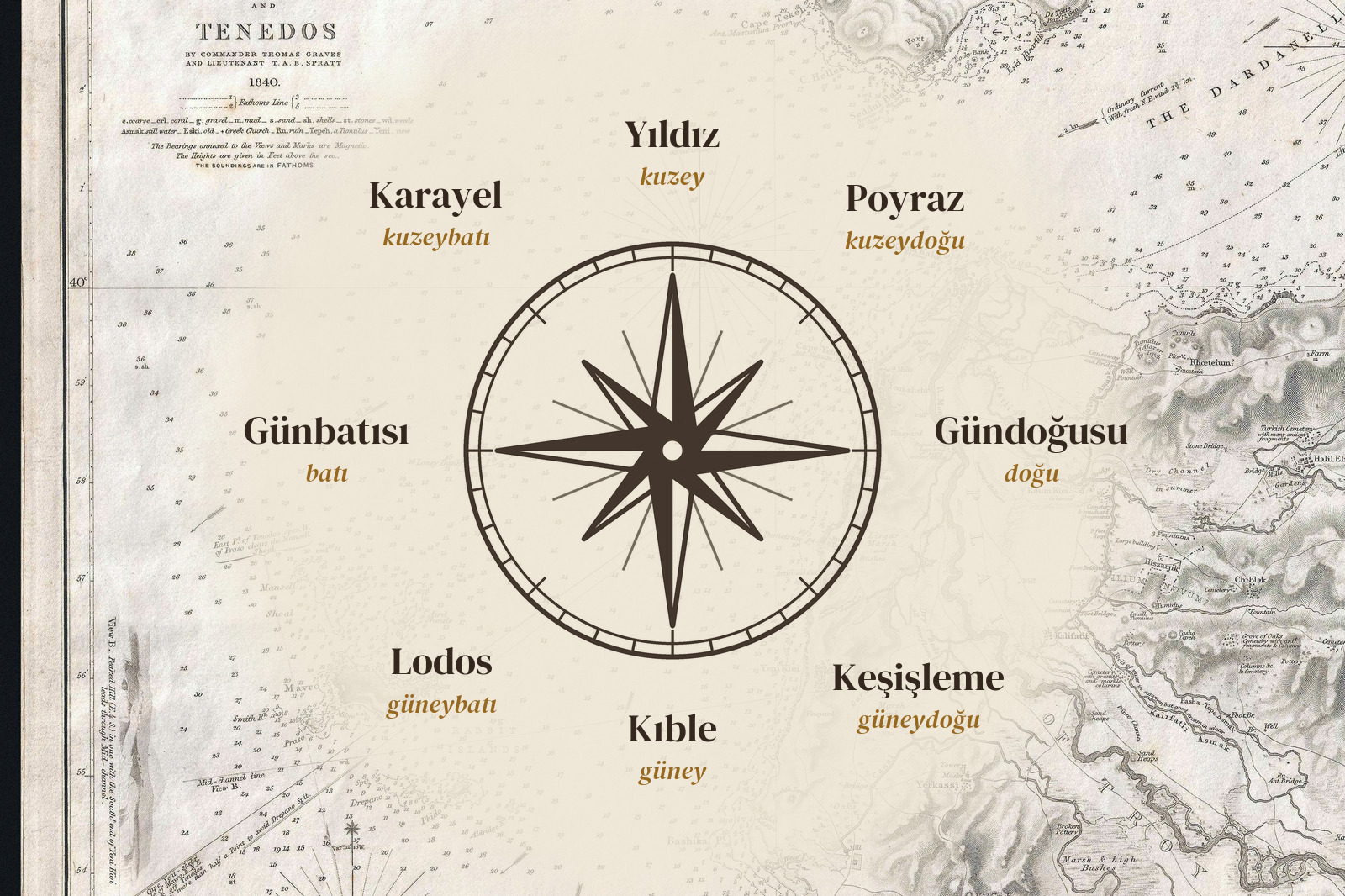
The eight winds on an 1844 British Admiralty chart of the entrance to the Dardanelles. Chart: UK Hydrographic Office, public domain.
In Turkish every main and intermediate direction has its own wind name. The Turkish State Meteorological Service’s dictionary defines the same local names:
Yıldız: north
Poyraz: north-east
Gündoğusu: east
Keşişleme: south-east
Kıble: south
Lodos: south-west
Günbatısı: west
Karayel: north-west
The name tells you where the wind comes from: poyraz comes from the north-east and blows towards the south-west. The origins of the names are mixed: poyraz and lodos come from Greek, imbat from Italian, kıble from Arabic; karayel and yıldız are Turkish, and keşişleme carries the name of a mountain.
Poyraz: the north-easter
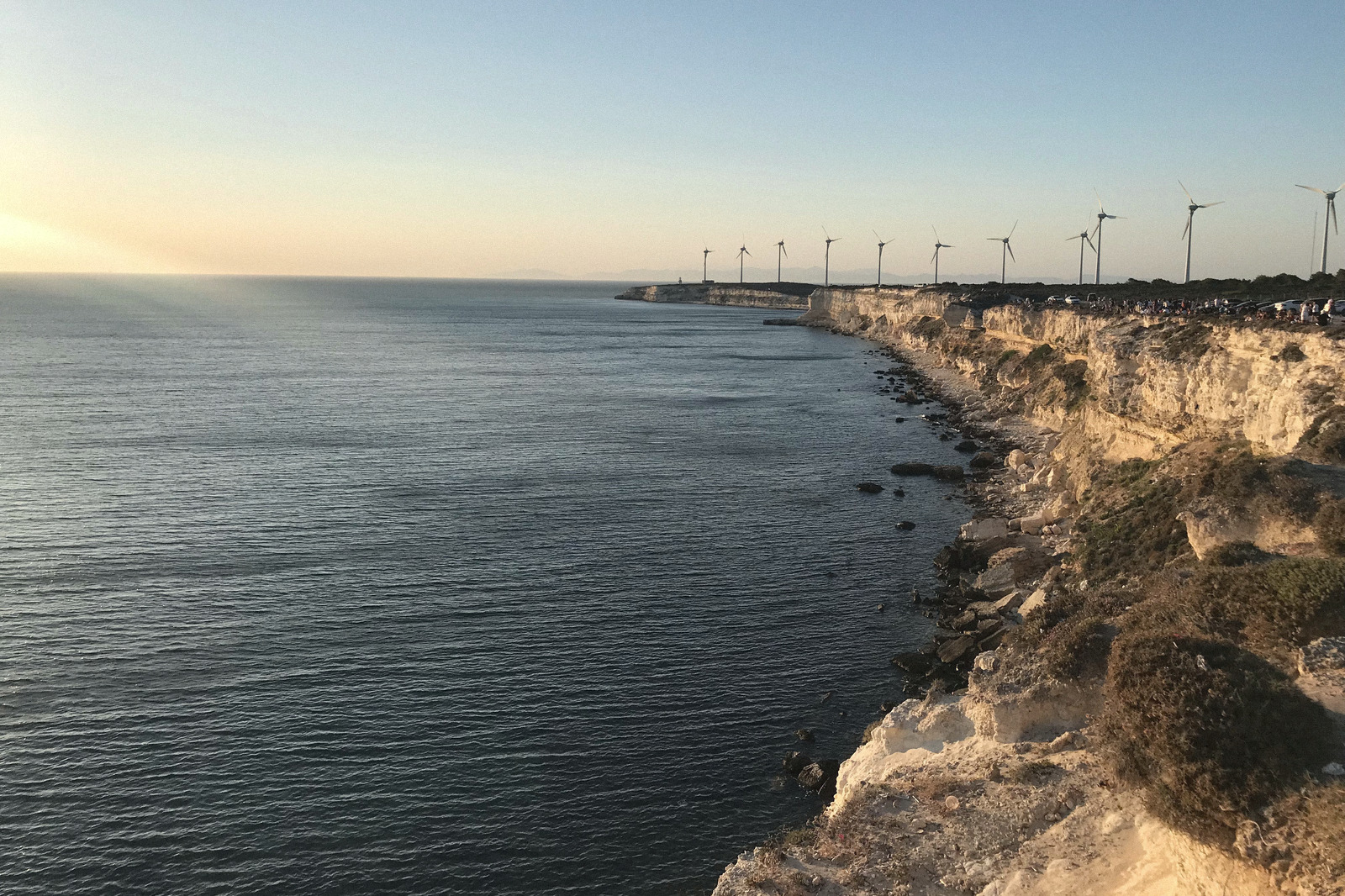
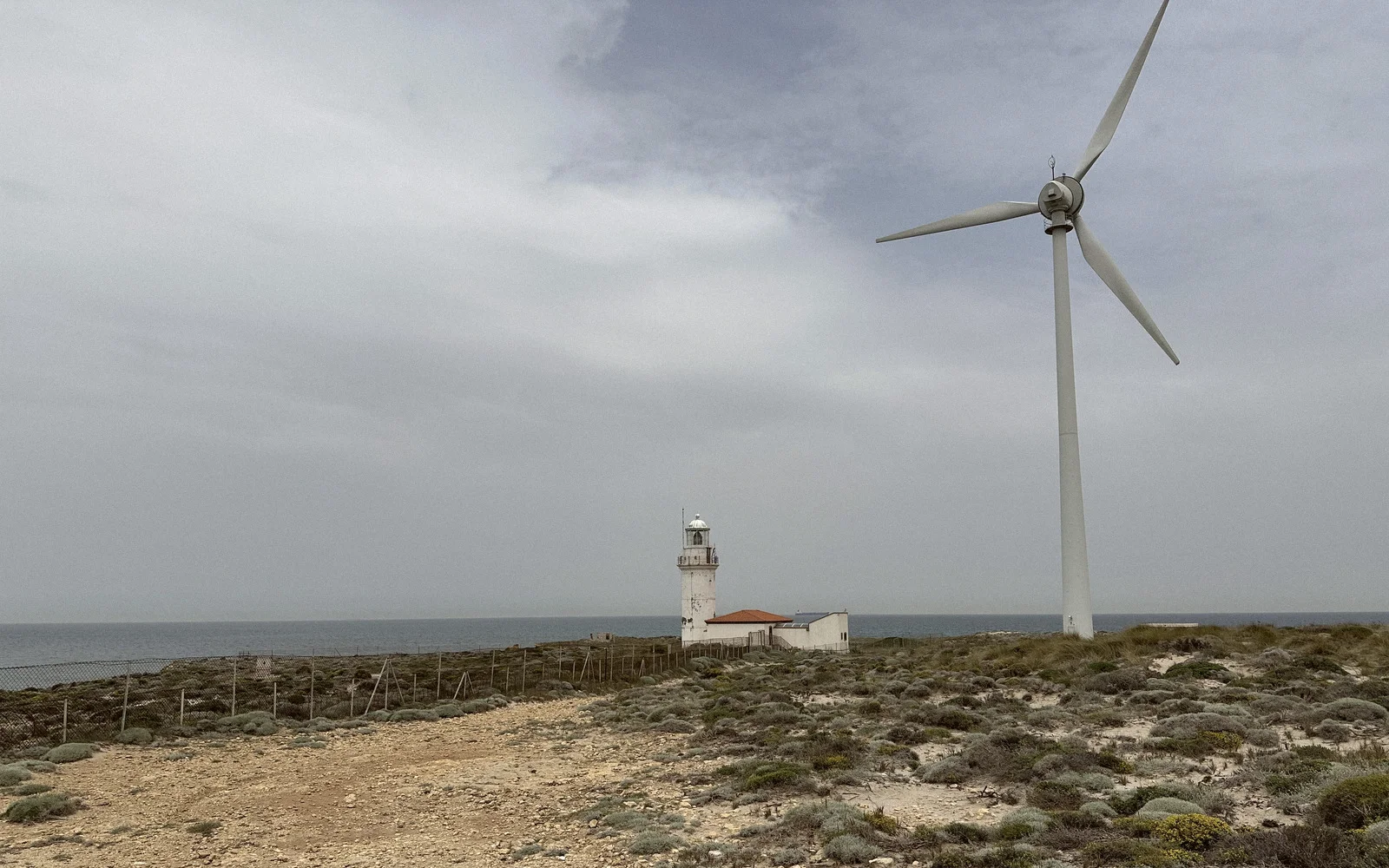
The western tip of Bozcaada and its wind farm. Photo: Alarakula, CC BY-SA 4.0
In three years of measurements at Bababurnu, near Babakale, the most frequent wind direction was north-east, in other words poyraz. On the western tip of Bozcaada, around Polente Lighthouse, a 17-turbine, 10.2 MW wind farm has been running since 2000.
When poyraz blows, coves facing south, with their backs to the wind, stay calm; Ayazma on Bozcaada is one of them. On days of strong poyraz, the surface current flowing from the Sea of Marmara into the Aegean through the Dardanelles also speeds up. The name comes from the Greek boreas, “north wind”.
Lodos: the south-wester that raises the sea
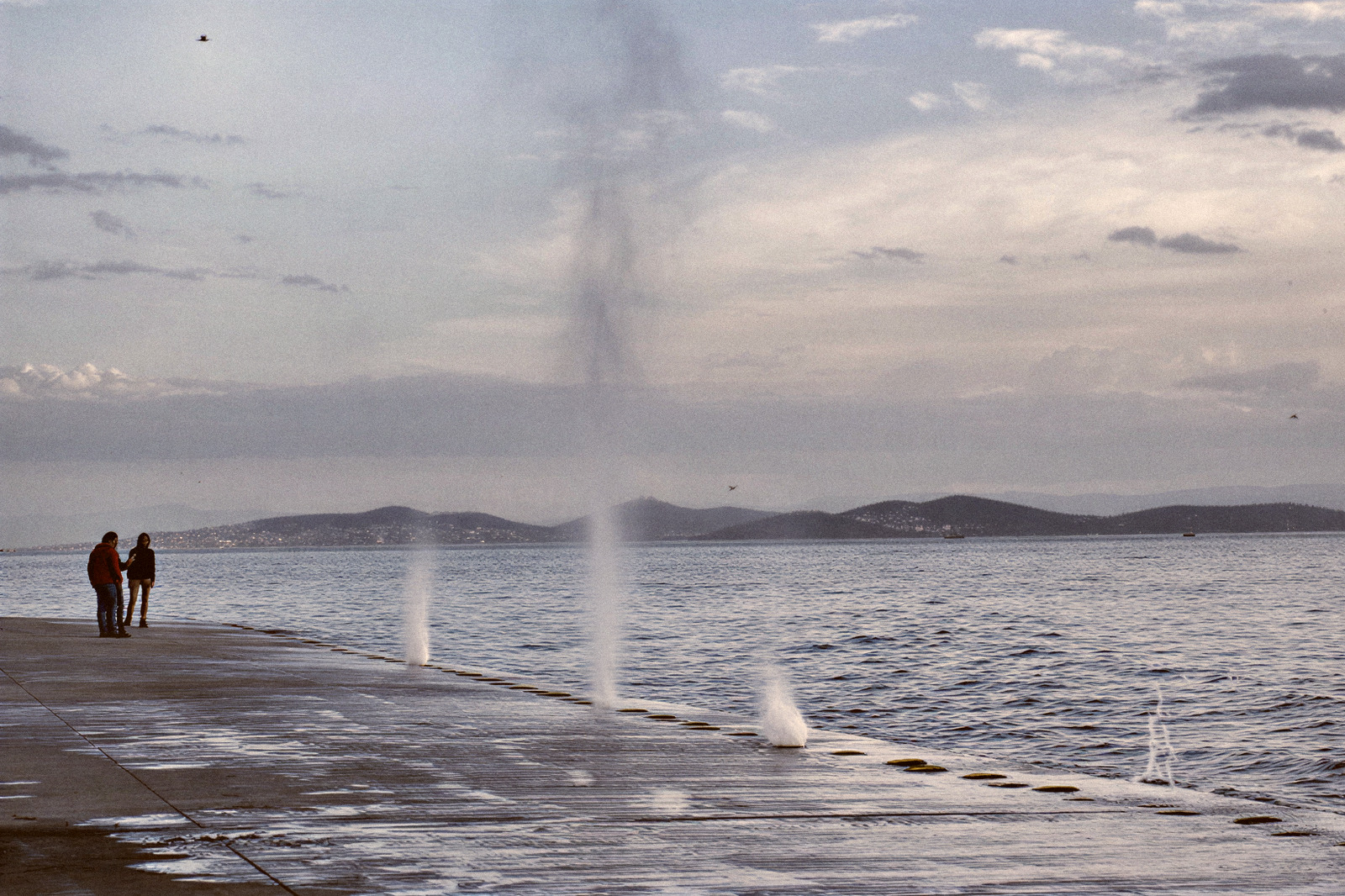
Waves spilling over the shore in a lodos. Photo: Burak Kebapçı
Lodos is a warm wind from the south-west. According to the Turkish State Meteorological Service it can reach 40–60 knots and disrupt sea transport in the Aegean. Its effect shows quickly on the shore: on 23 November 2024 waves in Ayvalık rose above 3 metres in a lodos. On the northern shore of the Gulf of Edremit, in Altınoluk and Küçükkuyu, the sea sometimes spills onto the seafront promenade during a lodos storm.
In a lodos, the coves on the north and east coast of Bozcaada, Çayır and Tuzburnu, are more sheltered. When lodos lasts, the surface water in the Dardanelles turns and flows towards the Sea of Marmara. On the coast people say “lodos has teary eyes”; its name comes from the Greek notios, “southern, rain-bringing”.
İmbat: the summer breeze from the sea
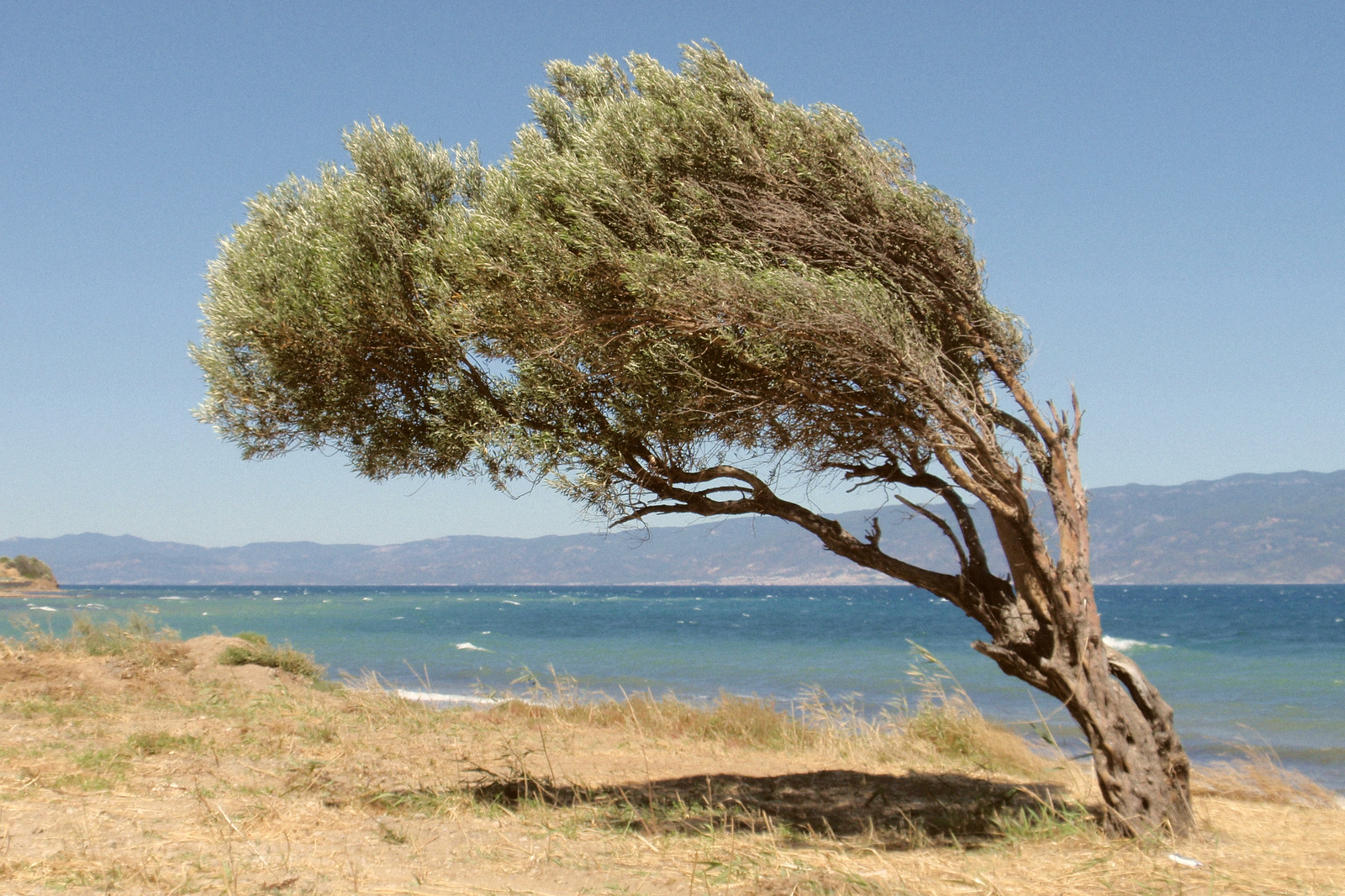
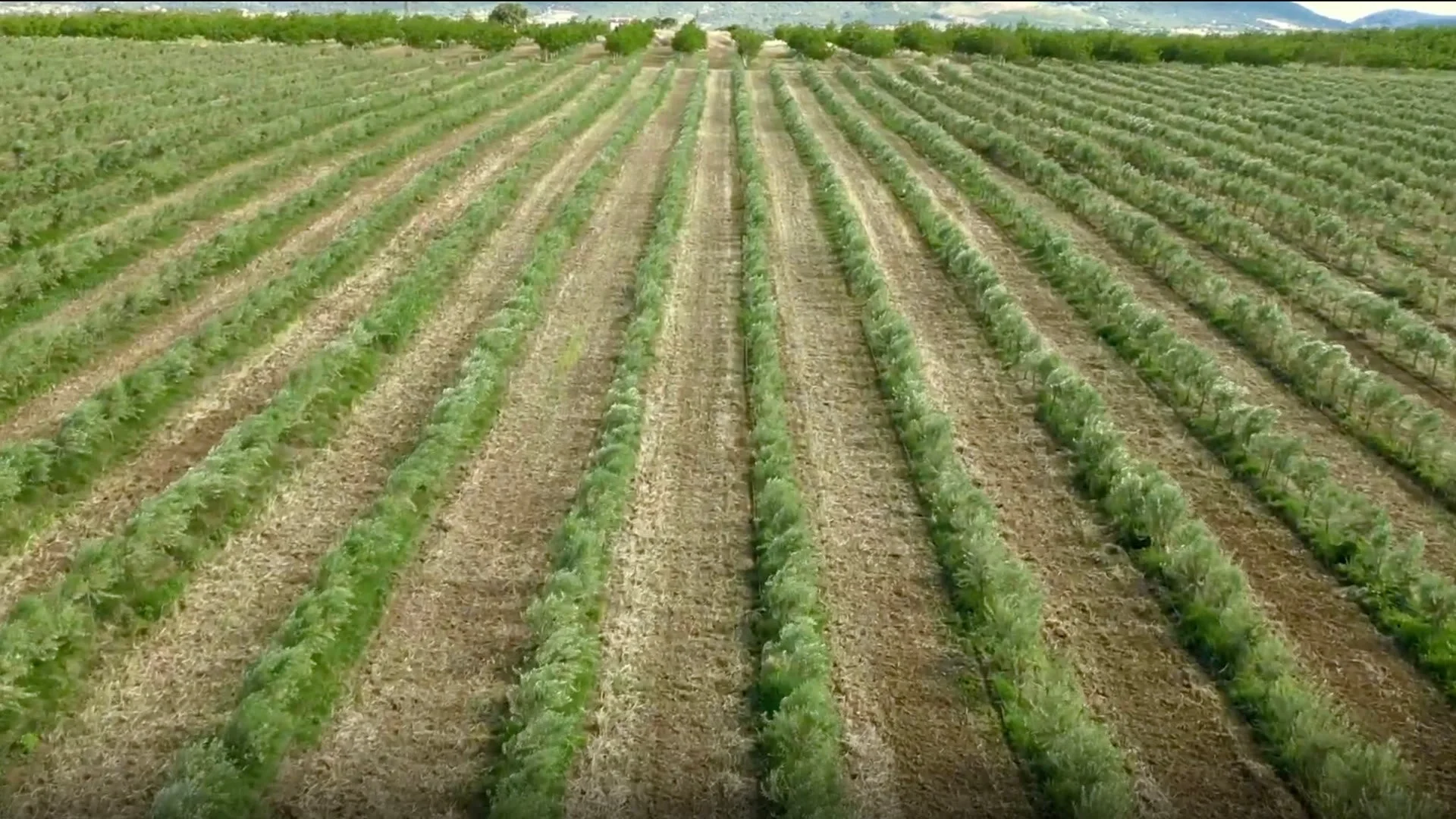
An olive tree shaped by the wind, summer.
İmbat is the wind that blows from the sea onto the land on summer days. According to the Turkish State Meteorological Service it is most regular in the Aegean in July and August; it picks up in the afternoon, can reach 30 knots and weakens at night. In Ayvalık and around the Gulf of Edremit this wind is called imbat too.
On Gökçeada, the summer wind that kitesurfers wait for at Aydıncık is also called imbat on the island. The word comes from the Italian imbatto, “sea breeze”.
Keşişleme: the wind over the land
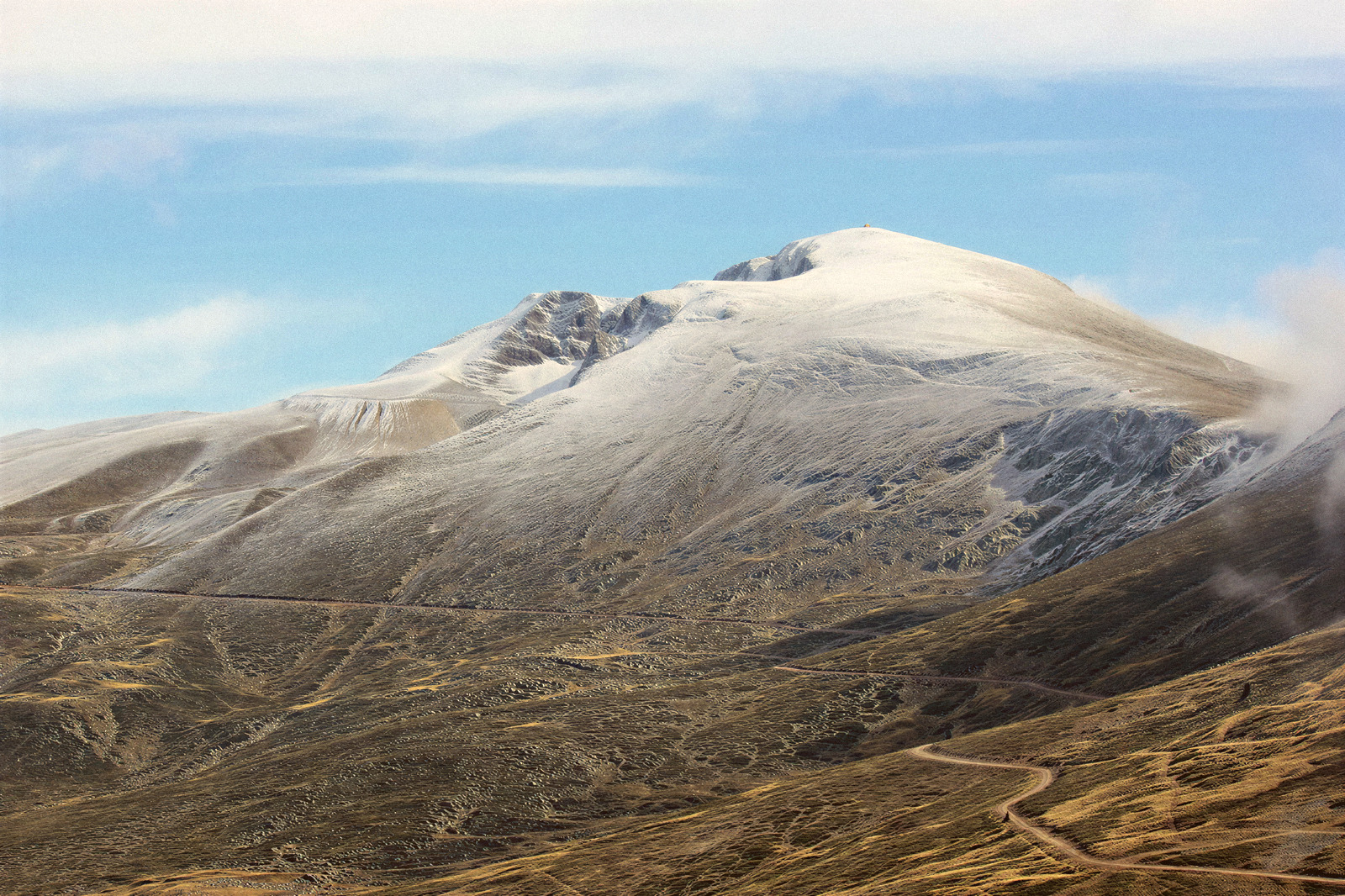
A snow-dusted mountain summit.
Keşişleme blows from the south-east. The Turkish State Meteorological Service describes it as a fairly dry and warm wind and notes that local sailors gave it its name. It reaches the North Aegean coast not from the sea but over the land, from inland Anatolia.
According to the Nişanyan etymological dictionary, the name comes from Keşiş Dağı, the old name of Uludağ near Bursa.
Karayel and yıldız: the cold from the north
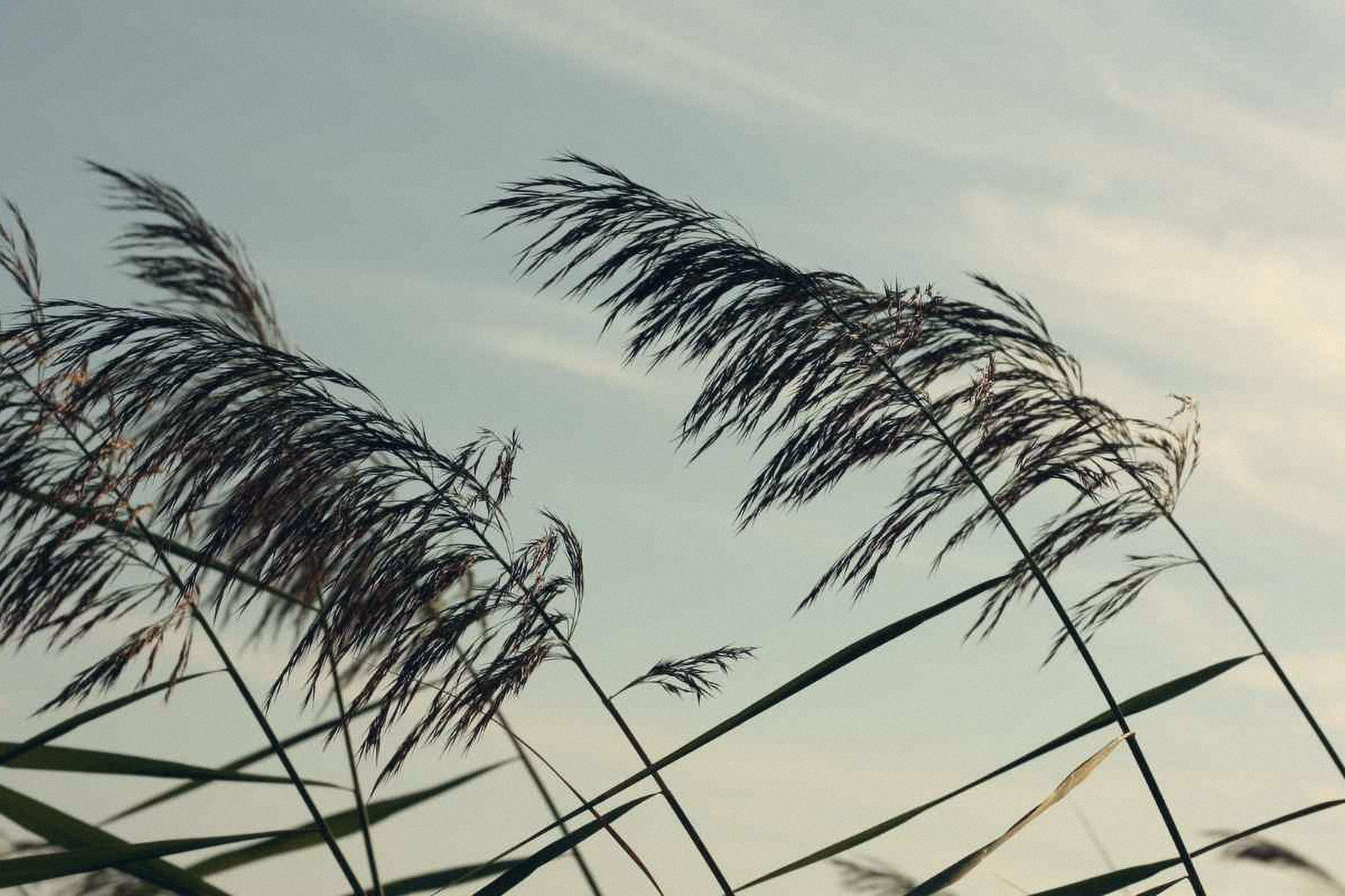
Reeds bending in the wind.
Yıldız blows from the north and karayel from the north-west; both bring cold. According to the Turkish State Meteorological Service, yıldız brings coolness in summer and cold in winter. In its definition karayel follows rainy days and lasts two or three days; the Turkish Language Association describes it as “a cold wind, sometimes as strong as a storm”.
Both names are Turkish. The “kara” in karayel also meant “north” in Old Turkish, and yıldız is one of the Turkish names for the north.
How do islanders read the wind?
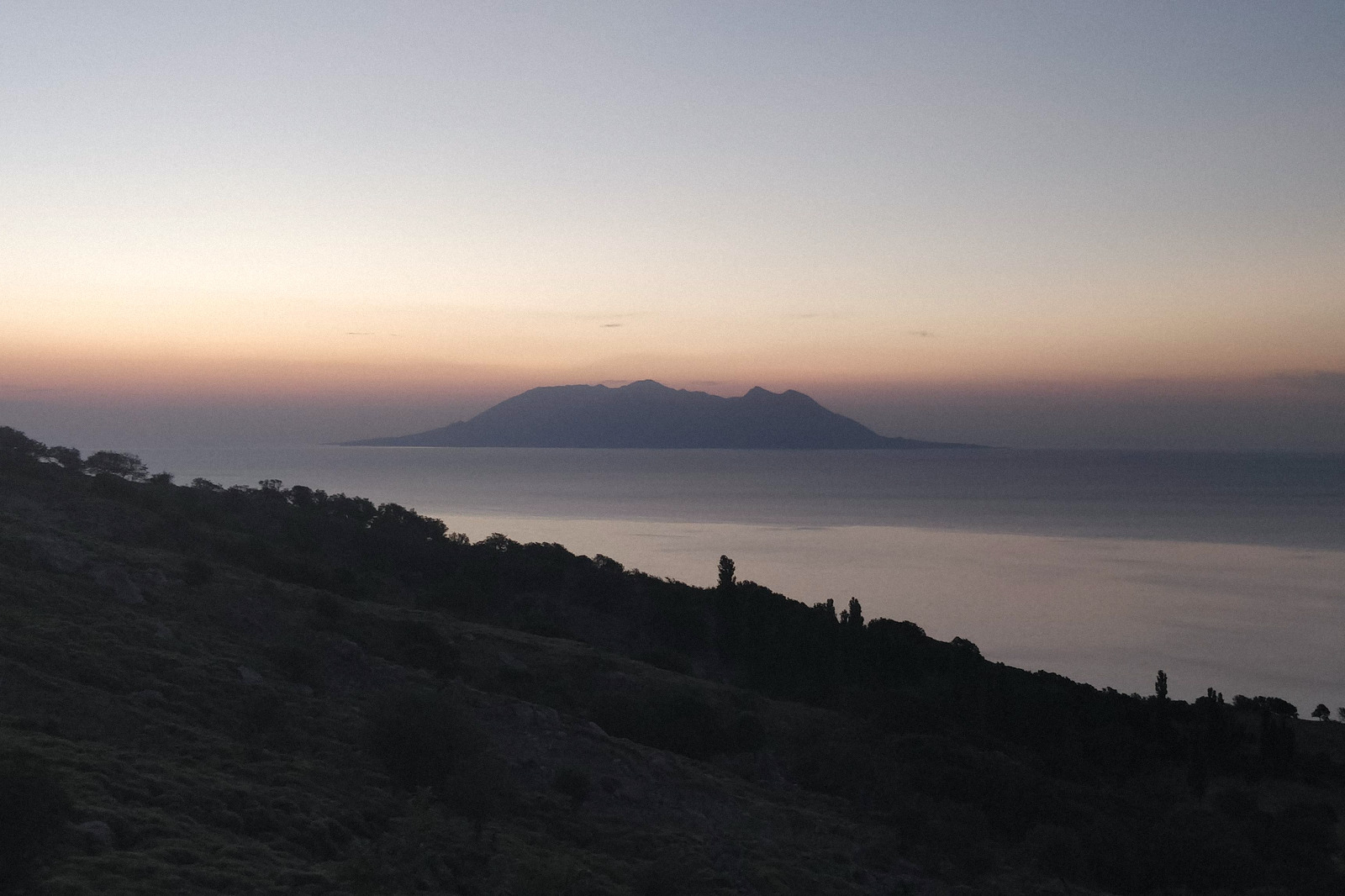
Samothrace from Gökçeada. Photo: Neltharion, CC BY-SA 4.0
A field study on Gökçeada and Bozcaada recorded the signs islanders use to read the weather. Three of them are about wind:
Seen from Kaleköy on Gökçeada, if clouds gather on the right side of Samothrace a poyraz is coming; if on the left side, a lodos storm.
If the wind turns from poyraz to gündoğusu, the weather settles within a few hours.
The wind blowing at moonrise lasts until the moon sets.
These are not measurements but observations passed down through generations.
Going to the islands in winter
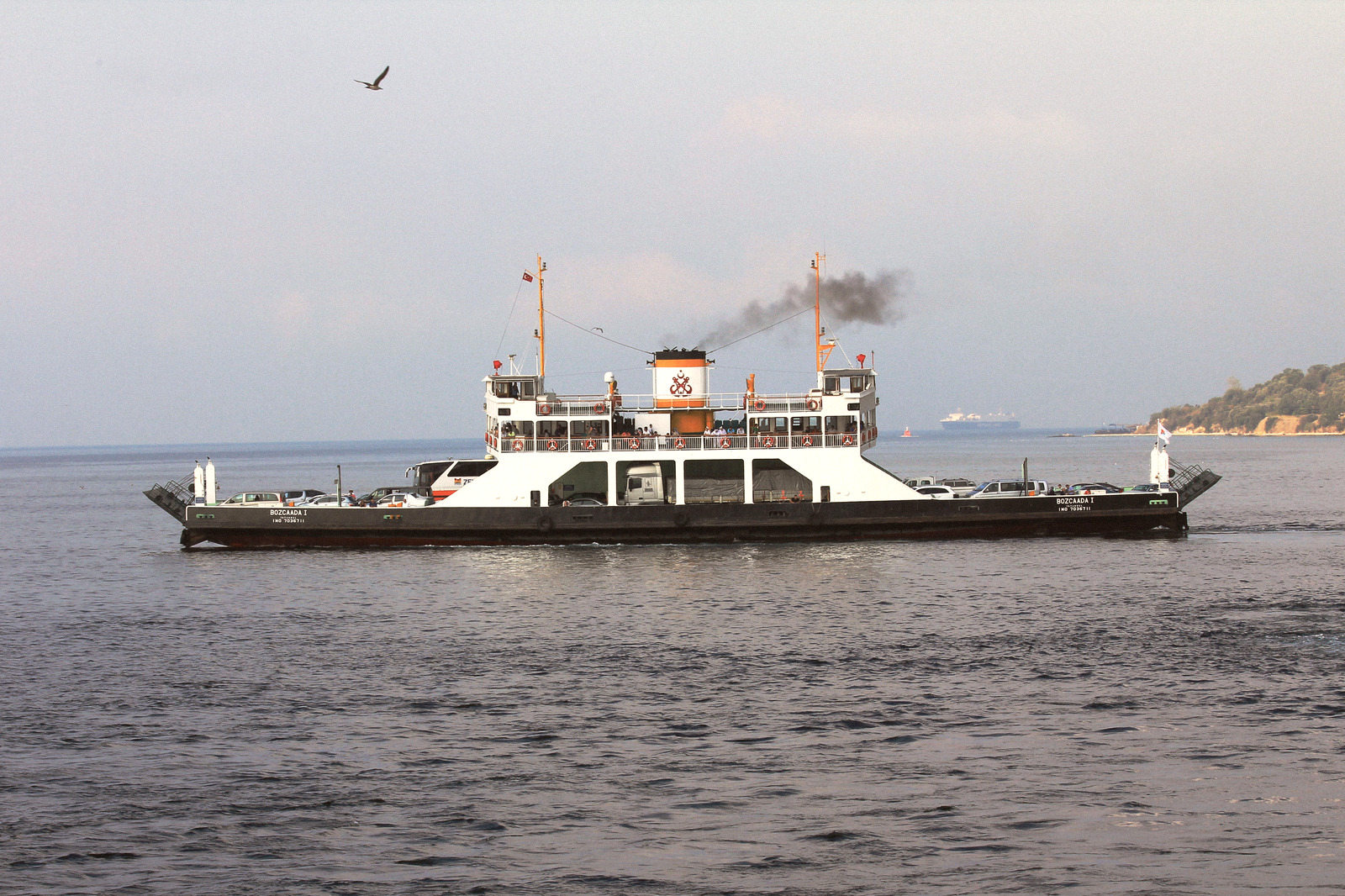
The Bozcaada ferry. Photo: Karelj, CC BY-SA 3.0
If you are heading to the islands in winter, the wind is part of the plan. Gökçeada and Bozcaada ferries can be cancelled in both lodos and poyraz: in November and December 2019 crossings were cancelled because of lodos, in January 2020 because of poyraz.
Check GESTAŞ’s service announcements before you set off.
Check the marine forecasts and warnings of the Turkish State Meteorological Service.
Keep your return flexible by a day; think about accommodation in advance in case you need to stay.
These names are 500 years old
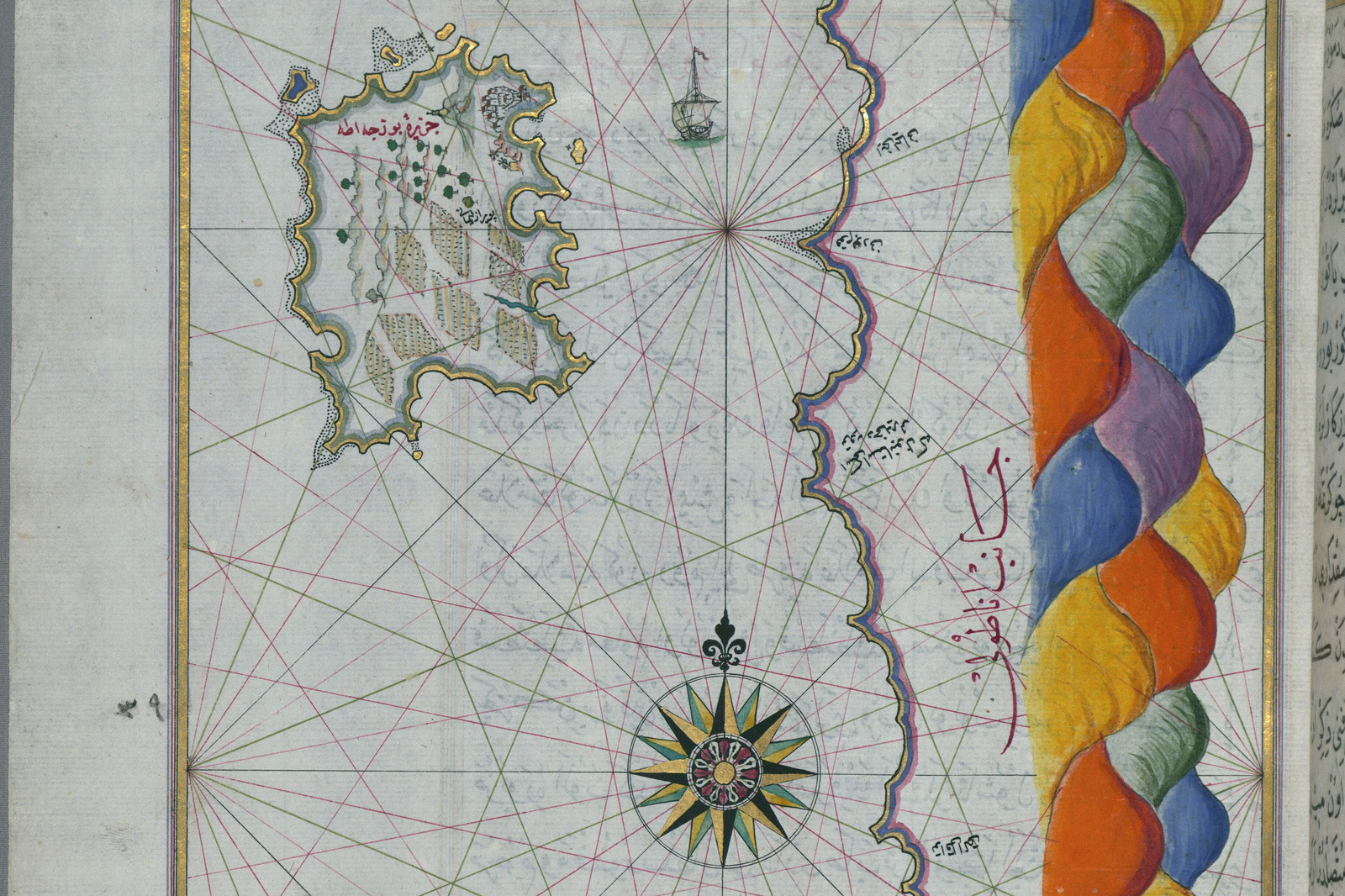
The Bozcaada page from the Kitab-ı Bahriye, 17th–18th century copy. Public domain.
These names are not new. In the Kitab-ı Bahriye, completed in 1521, Piri Reis writes that the north is called yıldız, the south kıble, the north-east poyraz, the south-west lodos and the north-west karayel; he also names the summer wind from the west imbat. The lines radiating from the wind rose on the map are the wind and compass lines of the sea charts of the period.
The first version of the book begins its accounts of coasts and islands with Bozcaada. The page above comes from a copy made in the 17th or 18th century.
Frequently asked questions
What is the difference between poyraz and lodos?
Poyraz blows from the north-east, lodos from the south-west. Lodos is a warm wind that raises the sea; poyraz was the most frequent wind in the Bababurnu measurements. Both can stop island ferries when they get strong.
Does imbat blow in winter?
İmbat is a summer wind; according to the Turkish State Meteorological Service it is most regular in July and August. It blows from the sea onto the land by day and weakens at night.
Do ferries run in a lodos?
In a strong lodos, Gökçeada and Bozcaada crossings can be cancelled. The same happens in a hard poyraz. Check GESTAŞ’s announcements before you set off.
How do I remember the order of the eight winds?
Start from the north and go clockwise: yıldız, poyraz, gündoğusu, keşişleme, kıble, lodos, günbatısı, karayel.
What is the wind called on your shore?
If you know a wind name or a weather sign from your elders on this coast, write to us on Instagram; we will add what you send to this dictionary. Save this piece for your next winter trip to the islands.
Cover image: Polente Lighthouse and a wind turbine, Bozcaada. Photo: Raicem, CC0.
Sources: Turkish State Meteorological Service, Meteorology Dictionary; Turkish Language Association dictionary; Nişanyan etymological dictionary (poyraz, lodos, imbat, keşişleme, karayel); Bababurnu wind measurements, Çukurova University Journal of the Faculty of Engineering and Architecture 33(1), 2018; Meriç and Yolcu, Yazıt Journal of Cultural Sciences 4(2), 2024; TDV Encyclopedia of Islam, “Kitâb-ı Bahriyye”.